

Table of Contents
- What Are Zico Mushroom Spore Prints?
- The Origin of the Xico (Zico) Mushroom Strain
- Identifying Features of the Xico Mushroom
- Spore Characteristics Under the Microscope
- Genetic Traits and Instability
- Why Collectors Value Spore Prints
- How Spore Prints Are Collected
- Collector Tips for Storing Spore Prints
- The Role of Online Mycology Communities
- Conclusion
- FAQs
In the world of microscopy and mycological collecting, few specimens generate as much curiosity as Zico Mushroom Spore Prints. Known more accurately as the Xico variety of Psilocybe cubensis, this strain carries a fascinating backstory rooted in discovery, community research, and genetic variation. Because the name “Xico” is often misspelled as “Zico,” collectors and researchers frequently encounter the alternate spelling when searching for samples or discussing the strain online.
For enthusiasts who collect spore prints for identification and microscopy study, the Xico strain represents an intriguing example of wild cubensis genetics. Its lineage, appearance, and relatively unstable traits make it a compelling subject for documentation and observation under a microscope. In this article, we will explore the history, identification features, lineage, and collector insights behind Zico Mushroom Spore Prints so that researchers and hobbyists can better understand why this strain has gained attention in the mycology community.
What Are Zico Mushroom Spore Prints?
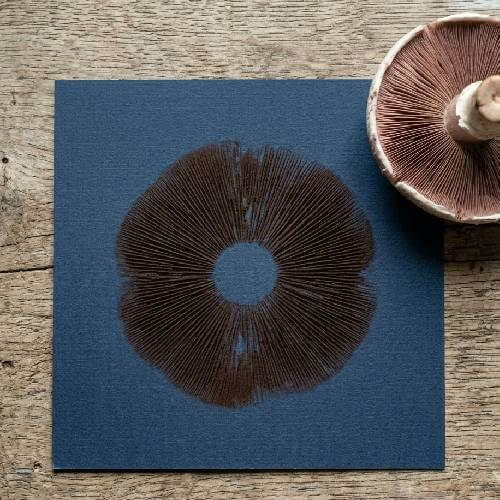
Zico Mushroom Spore Prints refer to preserved spore deposits collected from the Xico variety of Psilocybe cubensis. A spore print forms when the cap of a mature mushroom releases microscopic spores onto a clean surface such as foil, glass, or paper. The resulting pattern captures thousands of spores arranged in the same structure as the mushroom’s gills.
For collectors and researchers, these prints serve as valuable tools for microscopic examination and strain identification. The spores themselves are extremely small and cannot be studied without magnification, making them ideal for laboratory or hobby microscopy projects.
It is important to note that spore prints are typically collected and distributed for research, identification, and documentation purposes. Many collectors value them as preserved samples of genetic diversity within wild mushroom populations.
The Origin of the Xico (Zico) Mushroom Strain
The story behind Zico Mushroom Spore Prints begins in Mexico. The strain originated near the town of Xico in the state of Veracruz, a region known for its humid climate and diverse fungal ecosystems. This environment provides ideal conditions for wild cubensis mushrooms to develop naturally in grasslands and pasture environments.
The strain was first documented in 2007 when a mycology forum user reported discovering a unique cubensis specimen in the region. The find was shared within the online research community, and samples eventually circulated among enthusiasts studying wild mushroom genetics.
Over time, the strain became better known thanks to the involvement of respected mycologist Alan Rockefeller, who helped distribute early prints to researchers interested in examining the genetics of the specimen. By around 2018, the strain had become more widely recognized among collectors and microscopy enthusiasts.
Because the original location of discovery was the town of Xico, the strain’s correct name reflects that geographic origin. However, the misspelling “Zico” has persisted in many catalog listings and collector discussions, leading to the common reference of Zico Mushroom Spore Prints today.
Zico Mushroom Spore Prints
$24.99
$37.48
Zico Spore Print The Zico Spore Prints offer an authentic way to explore the fascinating Zico strain, prized for its unique characteristics and consistent quality. Each print is carefully produced on sterile aluminum foil, ensuring a clean and reliable medium… read more

Identifying Features of the Xico Mushroom
Understanding the physical characteristics associated with the strain can help collectors recognize the significance of Zico Mushroom Spore Prints and the mushrooms from which they originate.
Xico mushrooms typically display traits that resemble classic cubensis varieties while still showing subtle differences tied to their wild genetics.
Common identification features include:
- Golden or caramel-colored caps that darken slightly toward the center
- Dense, thick stems that often appear sturdy compared to other cubensis varieties
- Traditional cubensis gill structures that produce dark purple-brown spores
- Cap shapes that transition from rounded to flatter as the mushroom matures
These visual features are consistent with many wild cubensis mushrooms, which is why microscopic observation of spores remains an essential step for proper identification. Spore prints provide researchers with the material necessary to examine spore size, shape, and pigmentation.
Spore Characteristics Under the Microscope
Microscopy plays a central role in the study of Zico Mushroom Spore Prints. Under magnification, cubensis spores reveal several defining traits that help researchers confirm species identity and compare strain characteristics.
When examined under a microscope, cubensis spores usually display the following characteristics:
- Elliptical or oval shapes
- Smooth outer walls
- A dark purplish-brown coloration
- A visible germ pore on one end of the spore
These microscopic traits are shared across many cubensis varieties, including the Xico strain. However, variations in spore density, distribution, and size can provide subtle clues about genetic differences between strains.
This is why collectors often preserve multiple spore prints from the same mushroom specimen. Doing so allows researchers to examine the consistency of spores and observe how genetic traits manifest across different samples.
Genetic Traits and Instability
One of the most interesting aspects of Zico Mushroom Spore Prints is the genetic instability associated with the strain. Unlike highly stabilized varieties that have been selectively refined over many generations, the Xico strain retains many traits associated with wild cubensis populations.
This instability can lead to several observable outcomes:
- Variation in mushroom size and cap shape
- Differences in growth patterns between specimens
- Occasional development of “aborts,” or mushrooms that stop growing early
For researchers and microscopists, these traits actually make the strain more fascinating to study. Genetic variation allows observers to examine how different environmental or biological factors influence fungal development.
Because of this variability, the strain has become popular among collectors interested in documenting how wild genetics behave when compared to more stable cubensis varieties.
Why Collectors Value Spore Prints
The appeal of spore prints extends far beyond cultivation discussions. Many collectors simply enjoy preserving unique fungal specimens and studying their microscopic features.
Collectors often seek Zico Mushroom Spore Prints for several reasons:
- Documenting wild cubensis genetics
- Comparing spores from different strains
- Microscopy research and spore identification
- Preserving rare or historically interesting strains
Spore prints are also easy to store and transport. When properly preserved in sterile foil or paper envelopes, they can remain viable research samples for many years.
For enthusiasts interested in the history of cubensis strains, the Xico variety represents a relatively recent addition to the documented catalog of wild discoveries. This makes it especially appealing to collectors who appreciate the historical aspect of fungal documentation.
How Spore Prints Are Collected
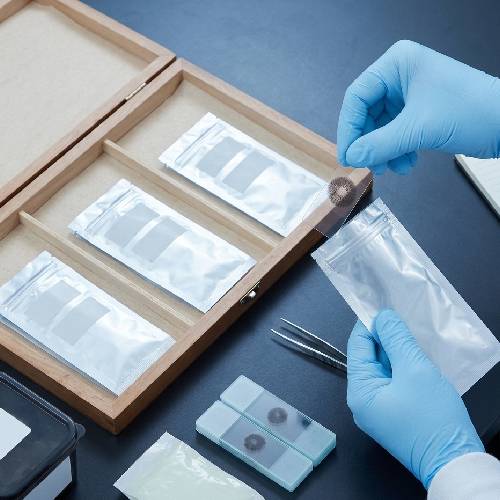
The process of creating spore prints is simple yet precise. Researchers typically collect prints by placing the cap of a mature mushroom on a sterile surface and allowing spores to fall naturally as the gills release them.
Within several hours, a visible pattern appears on the surface below the cap. This pattern mirrors the arrangement of the mushroom’s gills and can range from light gray to deep purple depending on the species.
The print is then folded or sealed to protect it from contamination. Proper handling is essential, as spores are extremely small and can easily be disrupted by airflow or moisture.
Once preserved, the spore print can be used to prepare microscope slides for observation. This allows researchers to analyze the spores in detail without altering the original sample.
Collector Tips for Storing Spore Prints
Collectors who acquire Zico Mushroom Spore Prints often take steps to ensure the prints remain in excellent condition for long-term storage and research.
A few best practices include:
- Storing prints in cool, dry environments
- Keeping them sealed in sterile foil or envelopes
- Avoiding exposure to direct sunlight
- Handling samples with gloves or clean tools
These simple precautions help preserve the integrity of the spores and prevent contamination. Proper storage also ensures that microscopy samples remain usable for extended periods of time.
The Role of Online Mycology Communities
Online forums and research communities have played a major role in documenting and sharing information about strains like Xico. Early reports of the strain were discussed within enthusiast groups where members compared observations, photographs, and spore prints.
These collaborative environments allow researchers from around the world to share insights about mushroom identification and genetic variation. As new discoveries are reported, collectors and microscopists can track how different strains emerge and spread within the research community.
The popularity of Zico Mushroom Spore Prints demonstrates how community-driven documentation can bring attention to previously unknown fungal varieties.
Conclusion
Zico Mushroom Spore Prints offer a fascinating glimpse into the diversity of wild cubensis mushrooms and the collaborative efforts of the mycology community. Originating near the town of Xico in Veracruz, Mexico, this strain gained recognition through online documentation and the work of researchers who preserved and shared its genetic material.
While often misspelled as “Zico,” the Xico strain continues to attract attention from collectors interested in studying unique fungal genetics. Its characteristic golden caps, dense stems, and somewhat unstable genetic traits make it a compelling subject for microscopy research.
For collectors and enthusiasts alike, spore prints provide an accessible way to explore the microscopic world of fungi while preserving samples of rare and historically interesting strains. Whether used for identification, research, or simply as part of a curated collection, Zico Mushroom Spore Prints remain an intriguing addition to the growing catalog of documented cubensis varieties.
FAQs
What are Zico Mushroom Spore Prints used for?
Zico Mushroom Spore Prints are typically collected for microscopy research, identification, and documentation of fungal genetics. They allow researchers to observe spores under a microscope.
Is Zico the same as Xico?
Yes. The correct name refers to the town of Xico in Veracruz, Mexico. The spelling “Zico” is a common misspelling that has persisted in collector discussions.
What species does the Xico strain belong to?
The Xico strain belongs to the species Psilocybe cubensis, one of the most widely documented mushroom species studied by mycologists and enthusiasts.
Why are spore prints important in mycology?
Spore prints help researchers identify mushroom species by analyzing the color, density, and microscopic characteristics of the spores.
How should spore prints be stored?
Spore prints should be kept in cool, dry environments and sealed in sterile foil or envelopes to protect them from contamination and moisture.