

Table of Contents
- Understanding the Albino Makilla Gorilla Lineage
- What Is an Albino Makilla Gorilla Mushroom Spore Syringe?
- Spore Syringe vs. Liquid Culture Syringe
- Key Characteristics of the Albino Makilla Gorilla Strain
- Microscopy Applications for Albino Strains
- How Researchers Store Mushroom Spore Syringes
- Handling and Sterile Research Practices
- Why Albino Strains Fascinate Mycologists
- Legal Considerations for Spore Research
- The Role of Spore Research in Modern Mycology
- FAQs
Among the many fascinating varieties studied in modern mycology, the Albino Makilla Gorilla Spore stands out for its striking appearance and stable genetic traits. Researchers and amateur microscopy enthusiasts are often drawn to albino strains because they display unusual pigmentation characteristics and vigorous growth patterns when studied under controlled laboratory conditions.
The albino makilla gorilla mushroom spore syringe is one of the most popular research tools for examining this rare lineage. These syringes typically contain sterile suspensions of fungal material prepared in laboratory environments, allowing investigators to observe mycelial expansion, morphology, and genetic stability.
In this guide, we will explore the background of the Albino Makilla Gorilla lineage, how spore and culture syringes work, the scientific characteristics that make this strain unique, and how researchers store and handle mushroom spores for microscopy studies.
Understanding the Albino Makilla Gorilla Lineage
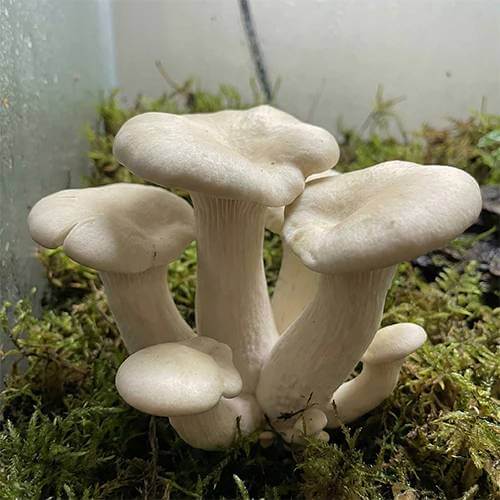
Albino Makilla Gorilla, often abbreviated as AMG, is part of a broader group of albino Psilocybe cubensis variants that have gained attention within the mycological research community. Albino strains are characterized by their lack of pigmentation, which results in pale caps, stems, and spores that appear translucent or white when compared to traditional cubensis varieties.
What makes the Albino Makilla Gorilla Spore particularly interesting is its genetic stability. In laboratory observations, the strain frequently produces strong, rhizomorphic mycelium—thread-like structures that branch outward aggressively across nutrient mediums. This trait allows researchers to observe clearly defined growth patterns during microscopy and agar studies.
The lineage itself is believed to originate from selective isolation work performed by experienced mycologists who sought to stabilize albino traits while preserving the growth vigor associated with the Makilla Gorilla genetic family.
Albino Makilla Gorilla Mushroom Spore Syringe
$24.99
Albino Makilla Gorilla Spores Albino Makilla Gorilla Mushroom Spore Syringes are a standout offering for mycology enthusiasts interested in exploring rare and visually striking Psilocybe cubensis genetics. Known for its distinctive albino expression, the Albino Makilla Gorilla (often called AMG)… read more

What Is an Albino Makilla Gorilla Mushroom Spore Syringe?
An albino makilla gorilla mushroom spore syringe is a sterile research instrument used to distribute fungal material evenly during microscopy and laboratory observation. It typically contains spores or liquid culture suspended in purified sterile solution inside a sealed syringe.
Researchers favor syringes because they allow for precise dispensing of microscopic material onto slides, agar plates, or other laboratory surfaces used in controlled study environments.
Most syringes are prepared under strict sterile conditions in order to minimize contamination and preserve the integrity of the culture or spores being studied.
Spore Syringe vs. Liquid Culture Syringe
Although the terms are sometimes used interchangeably, spore syringes and liquid culture syringes are not identical tools in mycological research.
Spore Syringes
Traditional spore syringes contain suspended mushroom spores, which represent the reproductive cells of fungi. Under a microscope, these spores display unique shapes, textures, and pigmentation that help researchers identify different species or strains.
When placed onto agar plates, spores can germinate and develop into new mycelial networks, allowing researchers to observe early growth stages and genetic variation.
Liquid Culture Syringes
Liquid culture syringes, by contrast, contain living mycelium already growing within a nutrient-rich liquid solution. This means the culture has already passed the germination stage and is actively expanding.
Because of this, liquid cultures are often used in research environments where faster colonization and consistent genetic replication are desired. The Albino Makilla Gorilla lineage is frequently distributed in this format due to its reliable growth behavior.
Key Characteristics of the Albino Makilla Gorilla Strain
The Albino Makilla Gorilla Spore is known for several traits that make it appealing for microscopy and strain comparison studies.
- Albino coloration: The strain exhibits pale or white pigmentation due to reduced melanin production.
- Strong mycelial expansion: Researchers often observe fast and structured mycelial growth in laboratory mediums.
- Genetic stability: Consistent morphology across samples makes the strain useful for comparative studies.
These features make the strain an appealing subject for examining fungal genetics, mycelial network formation, and strain variation across different laboratory environments.
Microscopy Applications for Albino Strains
Mycology enthusiasts frequently use microscopy to explore the microscopic characteristics of fungal species. Albino strains provide particularly interesting samples because their spores and tissues can appear visually distinct under magnification.
When viewed under high-powered microscopes, researchers can observe structural details such as spore shape, spore wall thickness, and surface ornamentation. These traits help identify species and verify genetic consistency within a strain.
Using an albino makilla gorilla mushroom spore syringe, researchers can easily deposit a small droplet of solution onto a slide and prepare it for observation.
How Researchers Store Mushroom Spore Syringes
Proper storage plays an important role in maintaining the viability of research materials. Whether the syringe contains spores or liquid culture, temperature stability and contamination prevention are critical factors.
Most laboratories recommend storing spore syringes in refrigeration at temperatures between 35°F and 46°F (2–8°C). Cold storage slows metabolic activity and helps preserve the biological material for extended periods.
In addition to temperature control, syringes should remain sealed and protected from direct light exposure. Light and heat can accelerate degradation and reduce the effectiveness of stored mushroom spores.
Handling and Sterile Research Practices
Working with fungal cultures requires careful sterile technique. Even minor contamination from airborne microbes can disrupt research observations and alter growth patterns.
Researchers often follow several precautions when working with spore or culture syringes:
- Disinfecting work surfaces before beginning any procedure
- Using sterile gloves and laboratory tools
- Flame-sterilizing syringe needles when transferring samples
These simple practices help ensure the accuracy of microscopy observations and prevent unwanted microbial interference.
Why Albino Strains Fascinate Mycologists
Albino fungal strains represent a unique genetic phenomenon. In many organisms, pigmentation serves protective roles such as shielding cells from ultraviolet radiation or environmental stress. When pigmentation genes mutate or become suppressed, albino varieties can appear.
For mycologists, these mutations provide opportunities to examine how genetic changes affect growth patterns, cellular development, and reproductive processes.
Because albino strains like the Albino Makilla Gorilla Spore maintain strong mycelial growth despite their lack of pigmentation, they offer intriguing insight into fungal adaptability.
Legal Considerations for Spore Research
In many regions, mushroom spores are legal to possess because they do not contain psychoactive compounds. This allows researchers and hobbyists to study fungal biology and taxonomy without handling controlled substances.
However, laws can vary depending on local jurisdiction. Some areas maintain restrictions on specific fungal materials, so individuals interested in microscopy research should always verify regulations before obtaining or studying spore samples.
The Role of Spore Research in Modern Mycology
Spore analysis remains one of the most important tools in fungal science. Through microscopy and culture observation, researchers can better understand species diversity, evolutionary relationships, and fungal life cycles.
Strains such as Albino Makilla Gorilla allow scientists to compare pigmentation mutations with traditional cubensis genetics, deepening our understanding of how fungi adapt and evolve over time.
With advances in genetic sequencing and microscopy technology, the study of spores continues to reveal new insights into the hidden world of fungal biology.
FAQs
What is the Albino Makilla Gorilla Spore?
The Albino Makilla Gorilla Spore refers to the reproductive spores associated with the Albino Makilla Gorilla mushroom strain. These spores are commonly used for microscopy and mycological research.
What does an albino makilla gorilla mushroom spore syringe contain?
A syringe typically contains sterile solution with suspended spores or liquid culture of the Albino Makilla Gorilla strain, allowing researchers to easily distribute samples for study.
Are mushroom spores legal to possess?
In many locations, mushroom spores are legal because they do not contain compounds such as psilocybin. However, laws vary by region, so it is important to check local regulations.
How should a spore syringe be stored?
Spore syringes should be stored in a refrigerator in a clean, sealed environment to preserve viability and prevent contamination.
Why are albino mushroom strains important for research?
Albino strains provide valuable opportunities to study pigmentation genetics, mycelial growth behavior, and mutation stability in fungal species.
What equipment is needed for spore microscopy?
Most microscopy studies require a compound microscope, sterile slides, coverslips, and a small sample from a spore syringe to prepare the specimen.