
Table of Contents
If you’re interested in microscopy, fungal identification, or building a reliable reference library, understanding what spore prints are and how they’re used is essential. Many beginners wonder what a spore print actually is, how it compares to liquid options, and what kind of insight it provides during microscopy work. This guide breaks down everything you need to know about spore prints, why they matter, and how enthusiasts use them to study mushroom species with clarity and consistency. The target question many new hobbyists ask is “Is Spore Prints worth collecting?” and the simple answer is yes especially if you want long-term study value, reliable preservation, and repeatable microscopy results.
Spore Print Definition
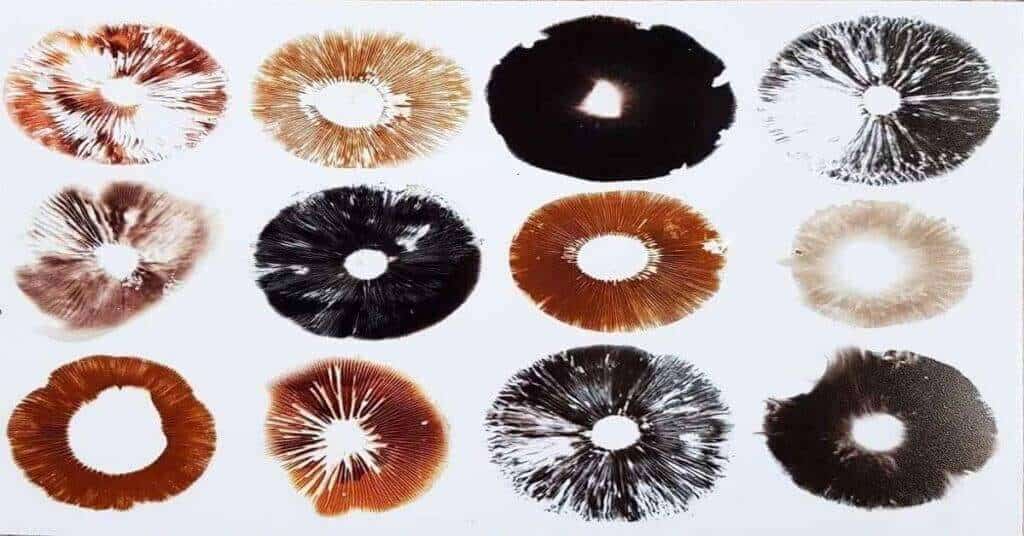
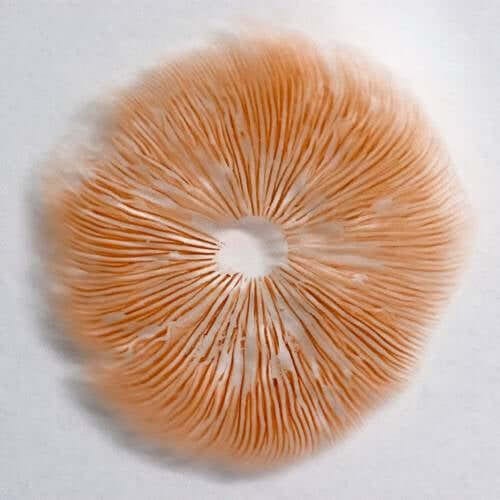
A spore print is a physical collection of spores that fall from the gills, pores, or surface of a mature mushroom cap. When the cap is placed on a suitable surface, such as foil, paper, or glass, the spores naturally release and form a visible patterned deposit. This pattern is essentially the “footprint” of a mushroom’s reproductive material.
Each print contains millions of microscopic structures that can later be transferred to microscope slides for observation. Unlike liquid solutions, a physical print represents a preserved, static resource that can be studied, archived, and referenced over time.
Why Spore Prints Matter for Microscopy
Spore prints aren’t just interesting to look at. They’re incredibly valuable for structured research and organized microscopy practices. Here’s why they’re considered one of the most useful resources in the community.
Preservation
Spore prints are excellent long-term storage options. When properly protected, they can be stored for extended periods without degrading rapidly. This makes prints ideal for creating organized libraries and ensuring study material remains available for future observation sessions.
Repeatable Observation
Because a print holds such a dense collection of spores, you can repeatedly prepare slides from the same print multiple times. That means you don’t just get one observation—you get many, allowing you to revisit and re-examine the same genetics with improved lenses, better lighting, or refined microscopy skills.
Taxonomy & Morphology
Spore prints support important taxonomic and morphological study. Spores differ between species in ways that can be visually documented and analyzed. When paired with proper microscopy technique, prints help researchers compare features, note variations, and develop a structured understanding of how different mushroom families present themselves under magnification.
Spore Prints vs Spore Syringes
Spore syringes are another common microscopy resource, and it’s helpful to understand how they differ from prints. A spore syringe contains spores suspended in a sterile liquid. This makes syringes convenient for quick slide preparation because the spores are already mobile within the solution.
A spore print, however, comes in a dry format. You control the hydration and preparation yourself, giving you more flexibility in how you handle samples. Prints also tend to be favored for archiving and long-term collection. Syringes are more immediate-use tools, while prints serve both study and preservation roles. Many experienced hobbyists choose to keep both, but prints remain foundational for serious documentation.
What You Can Learn From a Spore Print
Spore prints are rich with useful information for microscopy enthusiasts. Here are key elements you can study and record.
Spore Color Notes
Color observation is one of the most basic yet meaningful attributes. The reflected tone of spores can help categorize species groups and provides a useful visual reference when building a library. Even when the goal is purely academic and observational, color consistency offers helpful documentation data.
Microscopy Features to Record
Once a spore print is transferred to a slide and examined under magnification, researchers often document:
- Spore size comparisons
- Shape characteristics
- Surface texture details
- Arrangement patterns
- Density and clustering tendencies
These observations contribute to both personal learning and structured record-keeping. Over time, enthusiasts develop an eye for subtle differences between varieties and lineages.
Golden Teacher Mushroom Spore Syringe
$24.99
Golden Teacher Liquid Spores Widely regarded as one of the most popular strains for microscopy research and a top choice among mycology enthusiasts for its distinctive morphology, the Golden Teacher Mushroom Spores strain is a longstanding favorite. It is among… read more

Best Spore Print Options on Magic Spore Labs
If you’re looking for quality study material, Magic Spore Labs offers a wide range of well-known and highly respected print options. These prints are ideal for building a microscopy collection and exploring different genetic characteristics.
Cubensis Prints
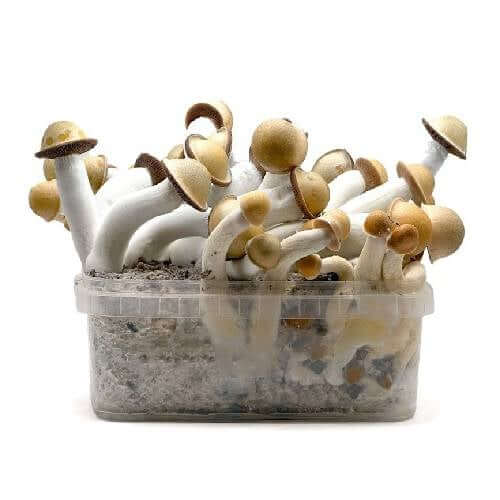
Among the most recognized options are Cubensis spore prints, including popular names such as Golden Teacher Mushrooms, Blue Meanie Mushrooms, and Penis Envy Mushrooms. These names are widely referenced within microscopy circles because they offer distinct visual features, reliable consistency, and engaging study experiences.
“Exotic” Prints as a Category
Beyond widely known Cubensis varieties, many enthusiasts also collect prints categorized as “exotics.” These prints appeal to serious hobbyists interested in exploring more unique microscopy characteristics, broader diversity, and deeper comparative study. While not every collector needs exotic samples, they offer additional dimension for those passionate about expanding their microscope catalog.
How to Store Spore Prints
Proper storage helps ensure your prints remain usable and valuable over time. Here are practical tips:
- Keep prints sealed to protect from moisture exposure.
- Store in a cool, dark location to preserve integrity.
- Avoid temperature fluctuations where possible.
- Label your prints clearly with strain name and date.
- Use protective envelopes or sleeves to reduce handling damage.
With thoughtful storage, your prints can remain part of your microscopy workflow for an extended period, making them a smart investment for anyone serious about structured study.
Conclusion
Spore prints are one of the most valuable tools in microscopy, offering preservation, repeatable observation, structured study, and long-term collection potential. Whether you’re documenting characteristics, comparing varieties, or building a serious library, prints provide dependable study material and meaningful educational value. If you’re exploring well-known microscopy staples like Golden Teacher Mushrooms, Penis Envy Mushrooms, or Blue Meanie Mushrooms, a high-quality spore print is an excellent foundation for observation and learning. For anyone asking whether Is Spore Prints useful, the answer is clear: they are a cornerstone of meaningful, repeatable, and well-documented microscopy study.
FAQs
What exactly is a spore print used for?
A spore print is primarily used for microscopy study, documentation, comparison, and building reference archives.
Can a single print be used more than once?
Yes. One of the biggest benefits of prints is that they can support multiple slide preparations.
Do spore prints expire?
While not eternal, well-stored prints can last for long periods, making them one of the most reliable long-term resources.
Are all spore prints the same?
No. Different varieties display different visual features, spore characteristics, and morphology details.