
Table of Contents
- Why Handling Matters for Research Integrity
- Setting Intentions Before Collection Begins
- Respectful and Precise Field Collection
- Documenting Everything: The Power of Accurate Labeling
- Safe and Controlled Transport to the Lab
- Working in the Lab: Turning Specimens Into Study Material
- Ethics, Boundaries, and Professional Responsibility
- Strengthening the Research Community Through Responsibility
- Conclusion: A Commitment From Field to Slide
- FAQs
Why Handling Matters for Research Integrity
Responsible handling is one of the most important parts of working with Lab-Only Study Mushrooms. Every step, from the moment a specimen is discovered in the field to the moment it sits beneath a microscope, affects accuracy, clarity, and credibility. For many researchers, the goal is not just to observe a specimen but to learn from it in a meaningful, well-documented, and ethically responsible way. That level of quality only happens when handling practices are thoughtful, careful, and consistent.
Whether you lab-only study familiar research favorites like Penis Envy Mushrooms, Golden Teacher Mushrooms, or Blue Meanie Mushrooms, your approach determines the reliability of what you see under magnification. Responsible research helps protect ecosystems, maintains specimen integrity, and reinforces the values of scientific curiosity and respect. When handled correctly, each specimen becomes much more than just material it becomes a valuable educational tool.
Setting Intentions Before Collection Begins
Good research preparation starts long before any specimen is touched. Planning helps avoid unnecessary mistakes and prevents careless collecting. It also helps researchers stay within legal and ethical boundaries. Before heading out, it’s important to understand your goals. Are you documenting visible structural traits? Comparing characteristics between species? Studying microscopic development patterns? Clarity leads to responsible action.
- Review local guidelines and ethical standards before fieldwork.
- Prepare sterile tools, collection containers, and reliable labeling materials.
- Define what you hope to observe so specimens are only collected when truly needed.
This preparation ensures each specimen has purpose. When working with well-known research subjects such as Golden Teacher Mushrooms or Penis Envy Mushrooms, planning also helps ensure samples remain limited, documented, and handled only for controlled lab study. Responsible preparation supports responsible research from the very start.
Respectful and Precise Field Collection
Once in the field, precision becomes essential. Natural environments can be extremely sensitive, and careful collecting helps protect surrounding ecosystems. The goal is always minimal disruption. Taking only what is needed preserves species populations and allows others in the scientific community to continue learning from the natural world as well. Gentle handling helps protect structural integrity so that what appears later under the microscope truly represents the specimen’s natural form.
Overharvesting, rough removal, or careless handling can damage the environment and weaken the value of research material. Responsible collectors understand that every specimen connects back to a living habitat, and respect for that environment is a key part of responsible scientific work.
Documenting Everything: The Power of Accurate Labeling
Even a perfectly collected specimen loses scientific value without proper labeling and documentation. Clear identification ensures that future analysis remains meaningful rather than confusing. Important contextual details can shape how a specimen is interpreted later, so accuracy is essential. Good labeling also prevents samples from becoming “mystery material” that cannot be reliably studied.
- Label specimens immediately instead of waiting until later.
- Use durable, readable labels that won’t fade or smear.
- Record date, location, general conditions, and identifying notes when possible.
This information helps build a useful research trail. When working with Blue Meanie Mushrooms, Golden Teacher Mushrooms, or other recognizable research subjects, documenting details strengthens credibility and supports deeper educational value. Proper records turn a single specimen into a meaningful scientific reference.
Penis Envy Mushroom Spore Syringe

$24.99
$37.48
PE#6 (Penis Envy 6) Mushroom Spore The Penis Envy #6 Mushroom Spore Syringe from Magic Spore Labs delivers basidiospores from the most systematically refined expression of the Penis Envy lineage available in the Psilocybe cubensis research catalog — a sixth-generation… read more
Safe and Controlled Transport to the Lab
Transporting samples safely is just as important as collecting them correctly. Temperature changes, moisture fluctuation, and physical impact can damage delicate structures. Secure containers, cushioned storage, and appropriate environmental conditions protect the specimen until it reaches the lab. This careful handling prevents contamination and ensures the material remains scientifically useful.
Once samples arrive in a lab environment, the focus shifts toward precision and cleanliness. Sterile tools, organized workspaces, and controlled handling ensure that what appears under magnification is accurate and undisturbed. Lab discipline protects scientific integrity and keeps observation focused on natural biological characteristics.
Working in the Lab: Turning Specimens Into Study Material
A laboratory setting transforms collected specimens into research-ready material. This stage requires patience, careful movements, and strict attention to hygiene. Whether studying Penis Envy Mushrooms, Golden Teacher Mushrooms, or Blue Meanie Mushrooms, maintaining a clean, controlled environment ensures authentic observations. Sterile tools prevent external interference, while gentle handling keeps microscopic structures intact.
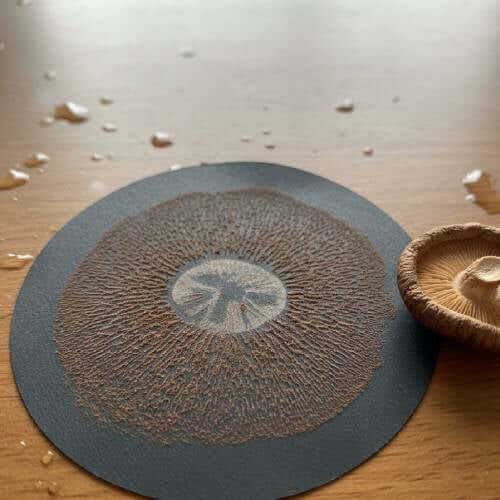
Many researchers also rely on prepared materials such as Spore Prints for identifying visual distribution characteristics, structural features, and deposition traits. Others use Functional Spores resources in controlled conditions to examine biological details more closely. No matter the method, the commitment remains the same: maintain order, clarity, and responsibility throughout the research process.
- Store research materials in clearly organized, labeled environments.
- Keep all materials restricted to scientific, lab-only intentions.
- Preserve long-term study material to allow future comparison.
Ethics, Boundaries, and Professional Responsibility
Ethical responsibility is at the heart of every research process. Working with Lab-Only Study Mushrooms means keeping intentions clear: these materials are meant strictly for controlled, academic, and observational study environments. Respecting laws, scientific standards, and community expectations builds trust and strengthens the research field as a whole. Careless handling or misuse not only risks legal and ethical consequences but also harms the credibility of the wider research community.
Long-term preservation is also important. Some lab-only study ends after a single session, while others benefit from ongoing comparison. Refrigeration, sealed slide protection, and archival storage help preserve specimen quality. Proper cataloging allows researchers to revisit material confidently, knowing it remains accurate and well-documented.
Strengthening the Research Community Through Responsibility
Responsible handling practices do more than support individual research—they help shape the tone of the entire scientific community. When researchers treat specimens with professionalism and respect, they demonstrate that these studies are meaningful, disciplined, and rooted in genuine curiosity. That shared responsibility helps ensure that widely recognized research specimens like Golden Teacher Mushrooms, Blue Meanie Mushrooms, and Penis Envy Mushrooms continue to be valued for educational insight rather than misunderstood or misused.
Conclusion: A Commitment From Field to Slide
From the first step into the field to the final microscope observation, responsibility defines the quality of lab-only study Mushrooms research. Thoughtful preparation, ethical collection, accurate documentation, secure transport, controlled lab environments, and disciplined storage all contribute to credible scientific learning. When handled correctly, each specimen becomes part of something larger a commitment to education, environmental respect, and scientific integrity.
FAQs
Are Lab-Only Study Mushrooms meant for consumption?
No, they are strictly intended for controlled research, microscopy, and educational observation only.
Why is responsible documentation so important?
Proper labeling and records ensure accuracy, credibility, and meaningful scientific reference during and after study.
Can Spore Prints and Functional Spores be stored long term?
Yes, when stored correctly in controlled, labeled environments, they can support ongoing and future research.