
Table of Contents
- Understanding Why Storage Matters
- Prepared Slide Storage: Keeping Research Microscopy-Ready
- Spore Prints: Keeping Natural Samples Stable
- Storing Mushroom Liquid Spores Suspensions
- Environmental Factors That Influence Longevity
- Different Strains, Same Storage Standards
- Common Storage Mistakes to Avoid
- Final Thoughts on Storage & Stability
- FAQs
When you’re working with microscopic research materials, proper storage isn’t just a neat organizational habit it’s the difference between meaningful results and wasted effort. Whether you’re working with prepared slides, raw Spore Prints, or carefully prepared Mushroom Liquid Spores suspensions, understanding how storage affects stability is essential.
This comprehensive guide explores the best ways to preserve integrity, maintain clarity, and keep study materials research-ready for the long term. We’ll walk through storage methods for slides, prints, and spore suspensions while discussing how different strains like Penis envy spores, golden teacher spores, and blue meanie spores fit into these practices.
Understanding Why Storage Matters
Research materials don’t stay stable forever. Spores and slide preparations are sensitive to light, temperature swings, humidity, and contamination. Without thoughtful storage, slides lose clarity, prints degrade, and suspensions lose integrity. That’s why learning the types of spore slide storage best practices is critical.
Microscopy, classification efforts, educational study, and advanced laboratory research all rely on predictable, stable samples. When storage isn’t handled properly, what should be a reliable visual or analytical reference becomes compromised.
Prepared Slide Storage: Keeping Research Microscopy-Ready
Proper Slide Handling Before Storage
Before storage even begins, handling matters. Prepared slides should be clean, dry, and properly sealed if they are permanent preparations. If temporary wet mounts are used, they have a limited lifespan and should be stored only for short periods. Dust, fingerprints, air exposure, and smudges all diminish clarity.
Storage Containers and Organization
Slides should always be placed in protective slide boxes or trays. These protective cases shield slides from accidental scratches, exposure, and breakage. The cases should be sturdy, secure, and able to maintain internal cleanliness.
Labeling is also an essential part of organization. Each slide benefits greatly from clear identification, including strain or species reference, preparation date, and preparation method. Whether you’re working with Penis envy spores, golden teacher spores, or blue meanie spores, labeling prevents mix-ups and protects research accuracy.
Environmental Conditions for Slide Storage
Slides should be stored in cool, dry locations away from direct sunlight. Light exposure can impact clarity over time depending on preparation medium. Stable temperature helps reduce expansion and contraction stress on the glass and mounting material. Reduced humidity prevents condensation or microscopic growth that could impact clarity.
Golden Teacher Mushroom Spore Syringe
$24.99
Golden Teacher Liquid Spores Widely regarded as one of the most popular strains for microscopy research and a top choice among mycology enthusiasts for its distinctive morphology, the Golden Teacher Mushroom Spores strain is a longstanding favorite. It is among… read more

Spore Prints: Keeping Natural Samples Stable
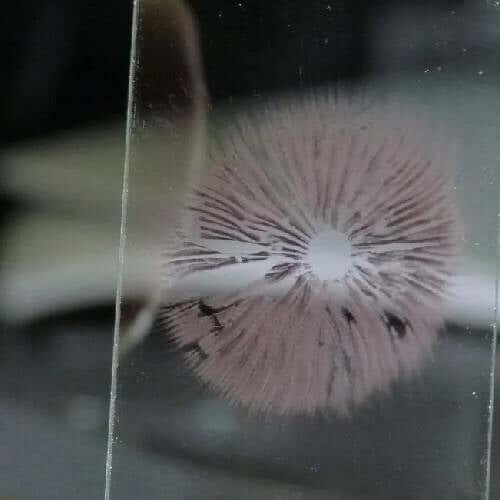
Spore Prints are foundational for both microscopy and archival reference. They capture naturally deposited spores and hold vast research potential, but they are especially vulnerable to environmental damage if stored incorrectly.
Handling Prints Carefully
Hands should be clean and ideally gloved when handling prints. Oils, moisture, and unseen contaminants easily transfer and begin degrading material integrity over time. Prints should always be fully dried before storage to prevent trapped moisture from causing breakdown.
Correct Print Packaging
Prints should be stored in protective paper, foil, or secure containment that prevents moisture intrusion. While breathability is useful for preventing trapped humidity, protection from airborne contaminants and handling damage is equally necessary.
Labeling is critical here as well. Details like strain, collection date, and source environment help ensure the print remains meaningful long after collection. Whether it comes from golden teacher spores, blue meanie spores, or Penis envy spores, properly documented prints remain useful, reliable references.
Environmental Stability
Prints should be stored in cool, stable environments with minimal light exposure. Consistent temperature helps preserve structural integrity while dryness prevents spoilage or deterioration. Storage areas should also remain clean to avoid unseen contaminants.
Storing Mushroom Liquid Spores Suspensions
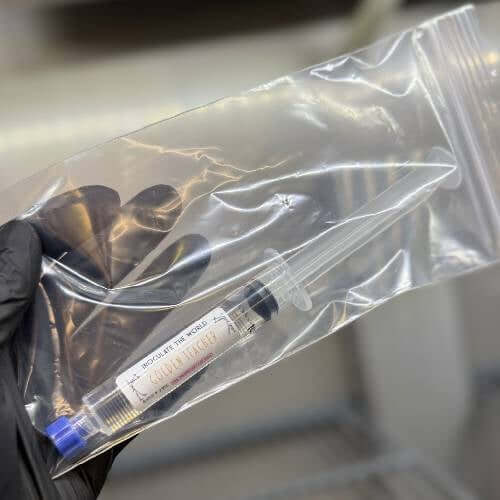
Mushroom Liquid Spores require a different approach than physical slides or prints. These suspensions demand highly stable, contamination-free conditions to maintain viability and structural reliability for research.
Container Quality Matters
Mushroom Liquid Spores should always be stored in sealed, sterile containers that maintain structural separation from environmental contaminants. Containers should remain tightly closed, clearly labeled, and never handled carelessly.
Temperature Considerations
Temperature consistency is key. Liquid suspensions should never be exposed to dramatic shifts. Stable cool storage helps preserve internal quality while preventing breakdown or developmental interference.
Handling and Organization
As with slides and Spore Prints, labeling liquid suspensions properly is essential. Strain identity, date, and preparation notes prevent confusion. Because suspensions may be evaluated over extended timelines, maintaining clear organization ensures long-term research continuity.
Environmental Factors That Influence Longevity
Temperature Stability
Extreme heat accelerates breakdown, while frequent fluctuations cause structural stress. Consistency is key for all research materials. A stable storage temperature supports clarity, structural integrity, and predictability.
Humidity Control
Excess moisture can damage both prints and slides while encouraging unwanted development. Controlled dryness ensures longevity. Containers and sealed cases help minimize environmental exposure.
Light Exposure
Prolonged light exposure can degrade preparation materials and alter microscopy clarity. Storing in darker conditions helps maintain stable visual quality.
Different Strains, Same Storage Standards
Whether you’re working with Penis envy spores, golden teacher spores, or blue meanie spores, keep fundamentals remain the same. Even though these strains may differ in structure, appearance, or preparation method, preservation relies on:
- Clean handling
- Temperature consistency
- Humidity control
- Protection from damage
- Clear labeling and organization
The right storage approach honors the research investment already made, ensuring each sample remains ready for meaningful study.
Common Storage Mistakes to Avoid
Even well-intentioned researchers sometimes overlook critical details. Some of the most frequent mistakes include:
- Leaving slides exposed to open air
- Failing to label materials properly
- Allowing prints to be stored before fully drying
- Keeping Mushroom Liquid Spores in unstable temperatures
- Storing materials in bright, high-exposure areas
- Ignoring long-term organization practices
Avoiding these mistakes significantly extends research material longevity.
Final Thoughts on Storage & Stability
Maintaining research readiness comes down to respect for both environment and material sensitivity. Slides, Spore Prints, and Mushroom Liquid Spores each require thoughtful attention, but the principles behind their preservation remain closely connected. Clean handling, organization, and control over external conditions form the core of all types of spore slide storage best practices.
When handled properly, these materials remain reliable, stable, and valuable resources for ongoing study. With the right approach, everything from Golden Teacher spores to Penis Envy spores and blue meanie spores can stay in excellent condition for long-term microscopy and research.
FAQs
How long can prepared slides remain usable if stored correctly?
When handled and stored under the right environmental conditions, prepared slides can remain useful for extended periods. Stability depends on how well they are sealed, protected from light, and kept in controlled environments. The better the storage discipline, the longer their clarity and reliability remain intact.
Do Spore Prints require special tools to store properly?
Spore Prints do not necessarily require specialized equipment, but they do require intentional handling. Dryness, protection from contamination, and stable temperature conditions are the most important factors. Clean storage containers and careful labeling also help preserve research value.
What is the most important factor in storing Mushroom Liquid Spores?
The most important factor is stability. That includes temperature consistency, container integrity, and limiting exposure. When handled carefully, Mushroom Liquid Spores can maintain reliability, making them dependable for research needs and ongoing observation.