
-
 Sold out
Lion's Mane Mushroom Spores
Regular price $9.99Regular price$19.99Sale price $9.99Sold out -
Sold out
Reishi Mushroom Spores
Regular price $9.99Regular price$19.99Sale price $9.99Sold out -
Shiitake Mushroom Spores
Regular price $9.99Regular price$19.99Sale price $9.99Sale -
Turkey Tail Mushroom Spores
Regular price $9.99Regular price$19.99Sale price $9.99Sale -
Sold out
Cordyceps Mushroom Spores
Regular price $9.99Regular price$19.99Sale price $9.99Sold out -
Functional Spores Pick 5 Bundle
Regular price $44.96Regular price$49.95Sale price $44.96Sale

What Are Functional Mushroom Spores?
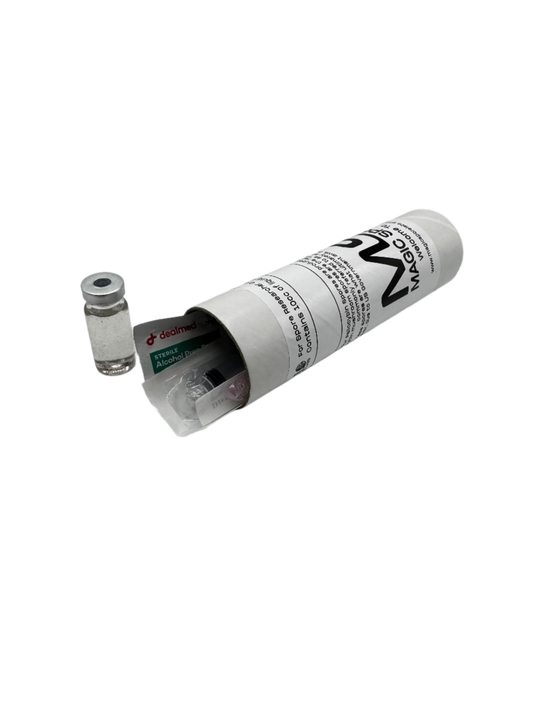
Functional mushroom spores refer to species commonly studied for their distinct morphology, spore structure, and classification properties. Under the microscope, these spores reveal intricate details that make them ideal for both beginner and advanced microscopy enthusiasts.
Each sample in this collection is prepared for observation purposes only, allowing researchers to explore spore size, shape, and arrangement across different varieties.
Why Researchers Study Functional Spores
Microscopy researchers often gravitate toward functional species because of their:
- Unique spore structures
- Clear visibility under magnification
- Diversity across species
These characteristics make them especially useful for comparative microscopy and educational study.
If you're exploring a wider range of specimens, you may also want to browse our psilocybin spores for microscopy or compare formats like mushroom spore prints.
Explore More Microscopy Samples
This collection is part of a broader catalog designed to support microscopy research. Expand your research with:
Frequently Asked Questions About Functional Mushroom Spores
What are functional mushroom spores used for?
Functional mushroom spores are primarily used for microscopy, research, and educational observation. These spores allow scientists, students, and hobbyists to examine fungal structures, identify species, and better understand how mushrooms reproduce. They are not intended for consumption but instead serve as a tool for studying the biology of beneficial mushroom varieties like Lion’s Mane and Reishi.
Do functional mushroom spores contain psychoactive compounds?
No, functional mushroom spores do not contain psychoactive compounds. They come from non-psychedelic mushroom species that are widely known for their natural wellness properties rather than mind-altering effects. This makes them completely different from psilocybin mushroom spores, which belong to a separate category with different legal and scientific considerations.
Why are functional mushrooms considered beneficial?
Functional mushrooms are valued because they contain naturally occurring compounds such as beta-glucans, polysaccharides, and antioxidants that support overall wellness. Many species have been used in traditional practices for centuries and are commonly associated with immune support, mental clarity, and stress balance. Their growing popularity comes from both historical use and modern research interest.
How are functional mushroom spores different from mushroom supplements?
Functional mushroom spores and mushroom supplements serve entirely different purposes. Spores are used for study and identification, allowing users to observe fungal characteristics under a microscope. Supplements, on the other hand, are processed products designed for consumption and formulated to deliver the active compounds found in mature mushrooms. Understanding this distinction helps ensure spores are used appropriately for research and educational use only.
Never Miss an Update
Add magicsporelabs.com as a Preferred Source on Google to see more of our content in AI Mode and AI Overviews.