
Table of Contents
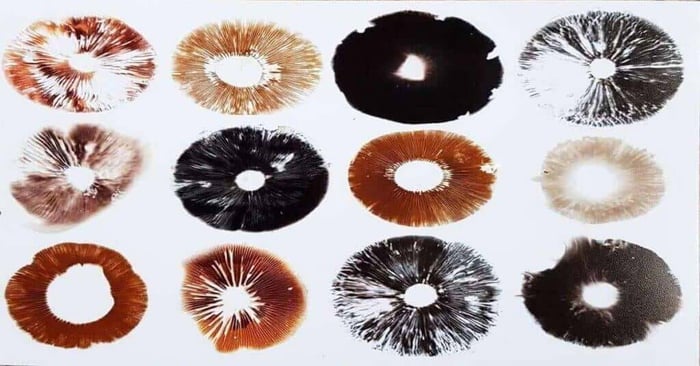
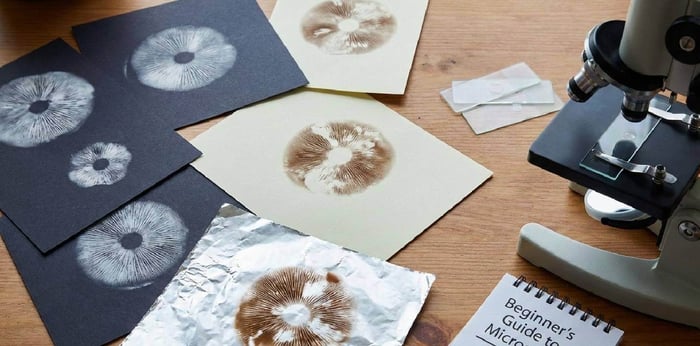
If you’re building a microscopy collection or starting a long-term archive of mushroom genetics, it’s natural to wonder: How Long Do Spore Prints Last? The answer isn’t a simple expiration date. Instead, shelf life depends heavily on how the print was taken, how it has been handled, and most importantly how it’s stored over time. Whether you’re collecting Penis Envy Spores, exploring the classic curiosity of Golden Teacher Spores, checking out a reliable variety like Hillbilly Cubensis Mushroom Spore, or comparing to prepared formats like a Stargazer Mushroom Spores Syringe, understanding longevity helps protect your collection and keeps observation quality high.
What “Last” Means (viability vs observation quality)
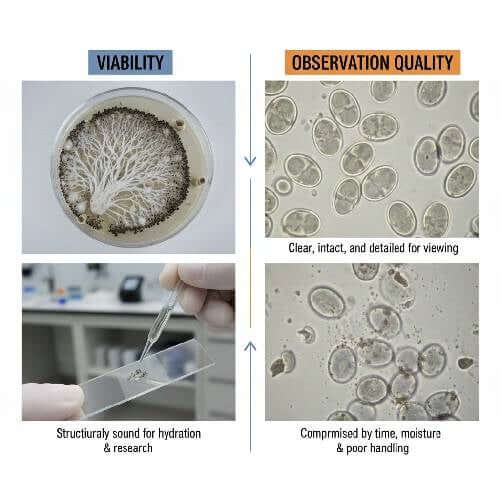
When people ask how long a spore print “lasts,” they’re usually asking two different things at once:
Viability: Whether spores are still structurally sound enough to be hydrated, studied, and used in legal research or microscopy contexts.
Observation Quality: How clean, intact, and detailed the spores remain for meaningful microscopic viewing—clarity, shape, and identifiable characteristics.
Even if a very old print technically still contains spores, time, moisture, and poor handling can reduce clarity. Well-stored prints can remain useful for years, while poorly stored prints can become compromised in months. Storage is everything.
Shelf Life Factors
Humidity
Moisture is the number one enemy of spore print longevity. If a print absorbs humidity, spores may clump, degrade, or attract unwanted biological growth. Prints stored in humid environments tend to fail the fastest.
Light Exposure
Light—especially direct sunlight—can slowly degrade spores over time. A properly stored print avoids light exposure to protect structural integrity and maintain good observation quality.
Temperature Swings
It’s not just heat that can be harmful. Rapid temperature fluctuations cause condensation and stress the organic material. Stable, neutral temperatures help ensure prints remain usable far longer.
Handling & Contamination
Every time a print is handled, risk increases. Oils from fingers, open-air exposure, accidental contact with surfaces, and repeated opening all affect shelf life. A carefully sealed print that isn’t constantly disturbed generally lasts much longer.
Best Storage Practices (safe + practical)
Dry, Dark, Stable
- Store prints in cool, neutral environments
- Keep them in darkness or extremely low light
- Avoid basements, hot cars, windows, or damp storage areas
Many collectors keep prints in envelopes, folders, or sealed bags stored within another protective container to prevent environmental exposure.
Labeling + Storage Containers
Another part of “lasting” is simply remaining useful over time. Good labeling prevents confusion when your spore library grows. Clearly note:
- Strain / Variety (Example: Golden Teacher)
- Date of collection
- Source
- Any relevant observation notes
Organized prints remain easier to reference, compare, and document in microscopy sessions.
Golden Teacher Mushroom Spore Syringe

$24.99
$37.48
Golden Teacher Liquid Spores Widely regarded as one of the most popular strains for microscopy research and a top choice among mycology enthusiasts for its distinctive morphology, the Golden Teacher Mushroom Spores strain is a longstanding favorite. It is among… read more
Warning Signs a Print Was Stored Poorly
Even if a print technically exists, not every print remains valuable. Warning signs include:
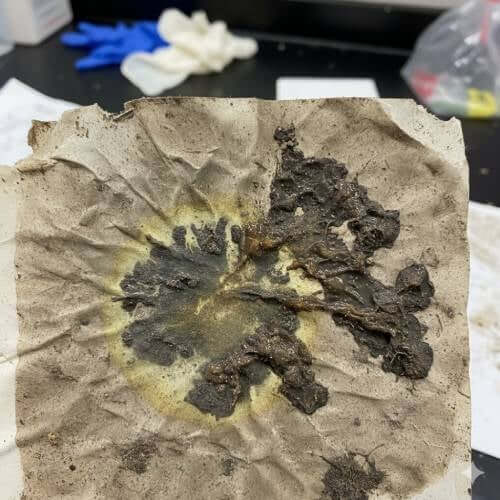
- Visible moisture damage or rippling paper
- Unpleasant odor
- Discoloration beyond normal spore patterns
- Clumping or smeared deposits
- Dust, dirt, or visible contamination
If a print shows clear damage, it likely won’t provide meaningful microscopy results and may not be safe to open or handle.
How to Build a Long-Term Spore Print Library
If you’re serious about microscopy or documentation, a structured storage strategy turns a few spore prints into a properly managed library.
Organize by Category: Many collectors group prints by lineage or interest—such as collecting varieties like Penis Envy, Golden Teacher, Hillbilly Cubensis, or others for comparative observation.
Use Consistent Packaging: Stick with one style of envelope or sleeve. Consistency makes long-term care easier.
Reference Internal Links & Print SKUs: If you’re running a store, researching, or documenting publicly, consistent naming and SKU structure help track prints across articles, guides, buyer education posts, and microscopy logs.
Consider a “Build a Spore Library” Approach: Many collectors slowly expand their archives over time, adding prints, syringes, and microscope notes rather than collecting randomly. Purpose-built libraries remain cleaner, more educational, and easier to maintain long term.
Conclusion
So, How Long Do Spore Prints Last? As long as they’re protected from humidity, light, heat swings, and careless handling, spore prints can maintain their value and observation quality for years. Treat them like long-term biological records, label everything clearly, and store them thoughtfully. Whether you’re exploring Penis Envy Spores, Golden Teacher Spores, Hillbilly Cubensis Mushroom Spore, or comparing formats to options like a Stargazer Mushroom Spores Syringe, good storage ensures your microscopy journey stays meaningful, organized, and reliable well into the future.
FAQs
How Long Do Spore Prints Last realistically?
With proper care, prints can remain useful for years. Poor storage can ruin them much faster.
Are syringes better than prints?
They serve different purposes. Prints are excellent for long-term archiving. Products like a Stargazer Mushroom Spores Syringe are convenient for quicker prep and observation.
Do all mushroom varieties store the same?
Generally yes, but handling quality matters more than the specific variety.
Can I store spore prints in the fridge?
Some collectors do, but stability and dryness are more important than temperature alone.
Do old prints still have value?
Absolutely—especially rare or historical genetics—if they were stored correctly.