

Table of Contents
- What Are Koh Mushroom Spore Prints?
- Visual Characteristics of Koh Spore Prints
- Microscopic Features of Koh Spores
- Growth Traits and Morphology
- Historical Background of the Koh Samui Strain
- Why Koh Spore Prints Stand Out
- Comparing Koh to Other Cubensis Spore Prints
- Storage and Preservation Tips
- Summary of Key Features
- Conclusion
- FAQs
When it comes to microscopy-grade fungi research, few strains have earned as much recognition as Koh Mushroom Spore Prints. Known for their bold appearance, dense spore deposits, and strong lineage history, these prints are a go-to choice for collectors, educators, and researchers exploring Psilocybe cubensis genetics.
This guide breaks down everything you need to know, from visual characteristics and microscopic structure to growth traits and historical origins, so you can better understand why Koh Samui genetics continue to stand out in the world of spore prints.
What Are Koh Mushroom Spore Prints?
Koh Mushroom Spore Prints come from the Koh Samui strain of Psilocybe cubensis, a tropical lineage discovered in Thailand. A spore print is created when mushroom spores fall from the gills onto a sterile surface, forming a visible pattern that mirrors the cap’s internal structure.
These prints are widely used in microscopy and archival research because they preserve the genetic signature of the strain in a stable, easy-to-study format. Compared to other spore prints, Koh Samui samples are particularly valued for their density and clarity.
Visual Characteristics of Koh Spore Prints
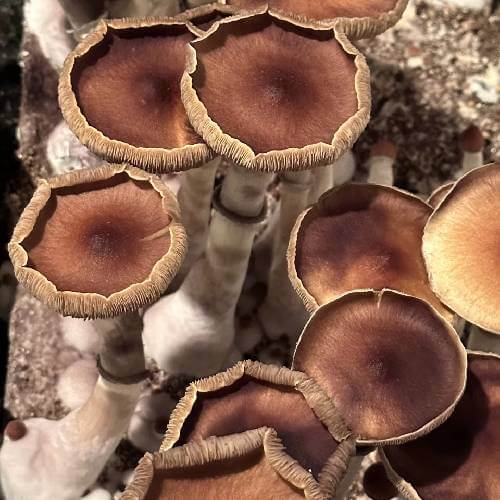
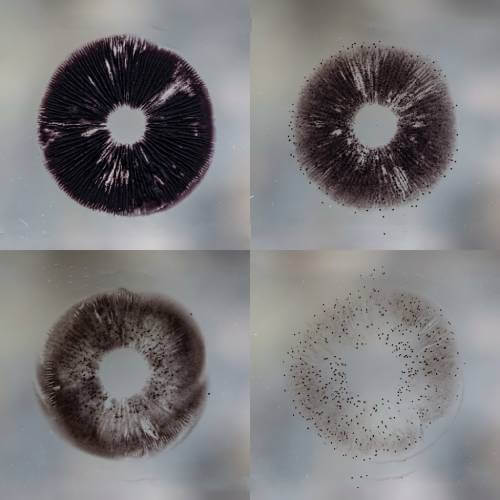
One of the defining features of Koh Mushroom Spore Prints is their rich and highly visible coloration. These prints typically display a deep purple-brown hue, which is characteristic of the Psilocybe cubensis species.
Color Profile
The color ranges from dark violet to brownish-purple, depending on spore concentration and print thickness. This strong pigmentation makes Koh prints especially easy to examine under proper lighting.
Density and Structure
- Heavy spore deposits create bold, dark prints
- High density ensures clear pattern visibility
- Ideal for long-term storage and microscopy use
Radial Pattern Appearance
The print often reveals a symmetrical radial design that reflects the natural gill arrangement beneath the mushroom cap. This structured layout adds both visual appeal and scientific value for pattern analysis.
Microscopic Features of Koh Spores
Under magnification, Koh Mushroom Spore Prints reveal detailed structures that are consistent with cubensis genetics.
- Shape: Ellipsoid (oval-like with rounded ends)
- Surface: Smooth-walled exterior
- Germ Pore: Clearly visible at one end
- Size: Approximately 12–13 µm × 8 µm
These characteristics make Koh spores a reliable reference point in microscopy studies, especially when comparing morphology across different cubensis strains.
Koh Mushroom Spore Prints
$24.99
$37.48
Koh Spore Print The Koh Spore Print is a premium choice for researchers seeking a reliable and consistent spore source. Known for its rich history and widespread recognition, the Koh strain stands out for its resilience and unique characteristics, making… read more

Growth Traits and Morphology
The Koh Samui strain is known for its distinctive growth behavior, which is often discussed in research and cultivation contexts. These traits help explain why Koh Mushroom Spore Prints are frequently used in genetic observation and documentation.
Robust Structure
Koh Samui mushrooms are recognized for their thick stems and wide, saucer-like caps. This sturdy build contributes to consistent spore production and well-formed prints.
Fast Colonization
This strain is often described as an aggressive colonizer. It spreads quickly across substrates, making it a strong subject for observing growth patterns and colonization behavior.
Environmental Resistance
Another notable trait is its resilience. Koh Samui genetics show a high tolerance to environmental fluctuations, which adds to its reputation as a dependable strain for study.
Natural Habitat
In the wild, Koh Samui mushrooms thrive in tropical environments such as rice paddies. These areas provide:
- Warm temperatures
- High humidity levels
- Nutrient-rich substrates
- Shaded conditions
This natural setting plays a role in shaping the strain’s growth characteristics and overall adaptability.
Historical Background of the Koh Samui Strain
The origins of Koh Mushroom Spore Prints can be traced back to the 1990s, when ethnomycologist Koh Mushroom Spore documented the strain on Koh Samui Island in Thailand.
Discovery and Documentation
John Allen’s work helped introduce this tropical cubensis variety to the global mycology community. Its unique traits quickly made it a standout among collectors and researchers.
Traditional Context
Before formal documentation, the strain was reportedly used in local Thai traditions. While historical details vary, its presence in the region highlights its long-standing connection to tropical ecosystems.
Rise in Spore Trading Communities
As interest in microscopy expanded, Koh Mushroom Spore Prints became widely circulated through spore trading networks. They are commonly available in formats such as:
- Spore prints
- Spore syringes
- Spore swabs
Their consistent quality and recognizable traits made them a staple in many collections.
Genetic Research and Sequencing
Some Koh Samui isolates have undergone genome sequencing, contributing valuable data to open-source genetic research. This has further solidified the strain’s importance in scientific and educational contexts.
Why Koh Spore Prints Stand Out
Among the many cubensis varieties available, Koh Mushroom Spore Prints continue to stand out for several reasons:
- Distinctive purple-brown coloration
- Heavy, high-density spore deposits
- Clear radial patterns for analysis
- Reliable morphology under microscopy
- Strong historical and genetic background
These qualities make them a preferred option for those documenting fungal diversity or studying microscopic structures.
Comparing Koh to Other Cubensis Spore Prints
While many cubensis strains share similar traits, Koh prints are often noted for their heavier spore load and bold visual presentation. Compared to lighter prints from other strains, Koh samples typically provide:
- Greater visibility without magnification
- More material for detailed observation
- Stronger contrast in imaging
This makes them particularly useful for beginners and experienced researchers alike.
Storage and Preservation Tips
Proper storage is essential to maintain the integrity of Koh Mushroom Spore Prints. To keep prints viable for long-term study:
- Store in a cool, dry place
- Avoid direct sunlight and moisture exposure
- Use sterile containers or foil wraps
- Label prints clearly for archival reference
Following these practices helps preserve both the visual quality and structural integrity of the spores.
Summary of Key Features
| Attribute | Detail |
|---|---|
| Origin | Koh Samui Island, Thailand |
| Spore Color | Purple-brown |
| Print Density | Heavy |
| Growth Habit | Thick stems, wide caps |
| Resistance | High adaptability |
| Common Use | Microscopy and research |
Conclusion
Koh Mushroom Spore Prints offer a compelling blend of visual clarity, reliable morphology, and a well-documented tropical origin that continues to attract attention in microscopy circles. From their deep purple-brown coloration and dense spore deposits to their distinct radial patterns, these prints provide both aesthetic appeal and practical value for detailed observation.
Beyond their appearance, the Koh Samui lineage stands out for its resilient growth traits and fast colonization behavior, making it a consistent reference point when comparing cubensis varieties. Its historical discovery in Thailand and continued presence in spore collecting communities further reinforce its importance as a recognizable and trusted strain.
Whether you're focused on archiving, studying microscopic features, or exploring fungal diversity, Koh prints remain a dependable option. Their combination of strong genetics, structured spore formation, and long-standing reputation ensures they will continue to hold a respected place in research and microscopy collections.
FAQs
What makes Koh spore prints unique?
Koh prints are known for their dense spore deposits, deep purple-brown color, and highly detailed radial patterns.
Are Koh spores suitable for microscopy?
Yes, they are commonly used in microscopy due to their clear structure and consistent morphology.
Where do Koh mushroom spores originate?
They originate from Koh Samui Island in Thailand, a tropical environment ideal for cubensis growth.
How should spore prints be stored?
They should be kept in a cool, dry, and sterile environment to maintain their quality over time.
Why are dense spore prints important?
Higher density provides more material for observation, making it easier to study patterns and microscopic features.