

Table of Contents
Among microscopy enthusiasts and spore collectors, few names generate as much interest as Jedi Mind Fock spores. Known for their consistent morphology and clean presentation under magnification, this strain has become a staple for microscopy-focused research and documentation. This overview is intended strictly for laboratory observation, emphasizing visual traits, handling considerations, and why this strain remains a popular choice for collectors.
What This Strain Is
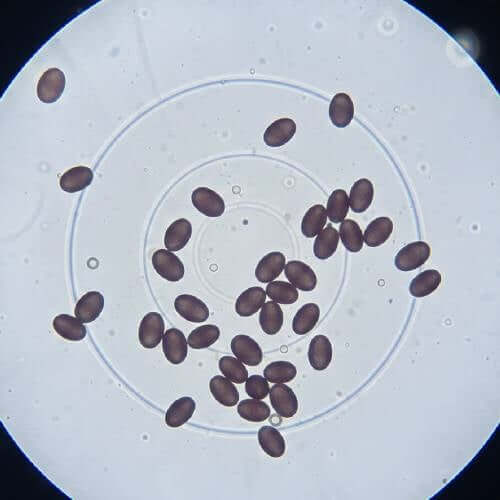
Jedi Mind Fock mushroom spores originate from a recognized cubensis lineage and are widely used as a reference specimen in microscopy studies. From a research standpoint, the strain is appreciated for how clearly it demonstrates classic cubensis spore characteristics while still offering enough visual variation to remain engaging.
Under the microscope, these spores typically display the following baseline traits:
- Elliptical to oval spore shape
- Dark purple-brown coloration
- Uniform size range consistent with cubensis spores
- Clear outlines when properly mounted on slides
Because of this reliability, Jedi Mind Fock spores are often used in comparative microscopy studies, training exercises, and long-term spore documentation projects.
Why It’s Popular (Collector & Research Interest)
The appeal of Jedi Mind Fock spores comes from their balance of predictability and visual clarity. Researchers often prefer spores that are easy to identify, easy to document, and consistent across samples.
Key reasons collectors and researchers gravitate toward this strain include:
- Consistent spore appearance across samples
- Strong contrast against standard slide backgrounds
- Well-suited for both visual observation and photography
- Widely recognized strain name within research communities
For those maintaining microscopy journals or digital image libraries, this strain provides dependable results when testing new lighting setups, camera adapters, or documentation workflows.
Microscopy Observation Checklist
Using a structured checklist during observation helps ensure consistency and improves the quality of recorded data. Jedi Mind Fock spores are especially useful for refining these habits.
What to Record
When examining spores, focus on objective, repeatable characteristics rather than subjective impressions. Common data points to log include:
- Spore shape and outline clarity
- Approximate size range at selected magnifications
- Color density and opacity
- Spore distribution (isolated vs clustered)
- Presence of debris or background artifacts
- Magnification levels used during observation
Recording lighting conditions and slide preparation methods can also improve accuracy when comparing samples over time.
Jedi Mind Fock Mushroom Spore Syringe
$24.99
Jedi Mind Fock Liquid Spores Developed by community breeder Mycotek and widely regarded as one of the more morphologically consistent Psilocybe cubensis strains available for microscopy study, Jedi Mind Fock Liquid Spores has earned a well-deserved place at the top… read more

Photo Checklist
Photographic documentation adds long-term value to microscopy research. When imaging Jedi Mind Fock spores, consistency is key.
- Capture images at multiple magnification levels
- Ensure even lighting with minimal glare
- Confirm spores are in sharp focus before shooting
- Maintain consistent framing across sessions
- Note magnification or scale reference for each image
Following a repeatable photo workflow makes future comparisons far more effective.
Storage + Handling Notes
Proper storage and careful handling help preserve spore quality for extended microscopy use. Jedi Mind Fock spores should always be treated as delicate research materials.
Recommended storage and handling practices include:
- Store samples in a cool, dark environment
- Avoid exposure to direct sunlight or heat
- Minimize temperature fluctuations
- Use clean tools and slides during handling
- Clearly label samples with strain name and date
Maintaining organized records alongside proper storage ensures consistent, reliable microscopy sessions over time.

Conclusion
Jedi Mind Fock spores remain a trusted option within microscopy-focused research collections. Their dependable morphology, ease of documentation, and strong visual clarity make them well-suited for both new researchers and experienced collectors.
By following structured observation checklists, maintaining clean handling practices, and keeping organized records, researchers can consistently gain meaningful insights from this strain. As a microscopy subject, Jedi Mind Fock spores continue to offer clarity, consistency, and long-term research value.
FAQs
What makes Jedi Mind Fock spores suitable for microscopy?
Their clear morphology and consistent presentation make them easy to observe and document.
Are these spores different from other cubensis spores?
They share core cubensis traits but are often favored for their uniform appearance and visual contrast.
What magnification works best for observation?
Standard compound microscope magnifications are typically sufficient for detailed viewing.
How long can spores be stored for research?
With proper storage and handling, spores can remain suitable for microscopy for long periods.
Is this strain beginner-friendly?
Yes, many beginners choose Jedi Mind Fock spores due to their predictable and clear appearance.