
Table of Contents
South American spores have become a point of interest for researchers and microscopy enthusiasts who value diversity, structure, and consistent visual traits. When examined strictly for laboratory and documentation purposes, these spores offer a rich opportunity to practice careful observation, standardized recording, and side-by-side comparison. This guide focuses on how to study, document, and compare South American spores responsibly under a microscope, with an emphasis on accuracy, repeatability, and clean research habits.
Overview
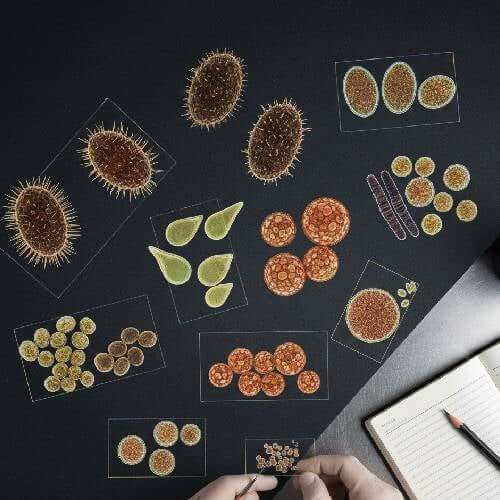
South America is home to a wide range of fungal environments, from humid rainforests to high-altitude regions and temperate zones. Because of this ecological variety, South American spores often display notable differences in size, shape, pigmentation, and surface texture when viewed microscopically. For researchers, that diversity makes them useful for building reference libraries and sharpening observation skills.
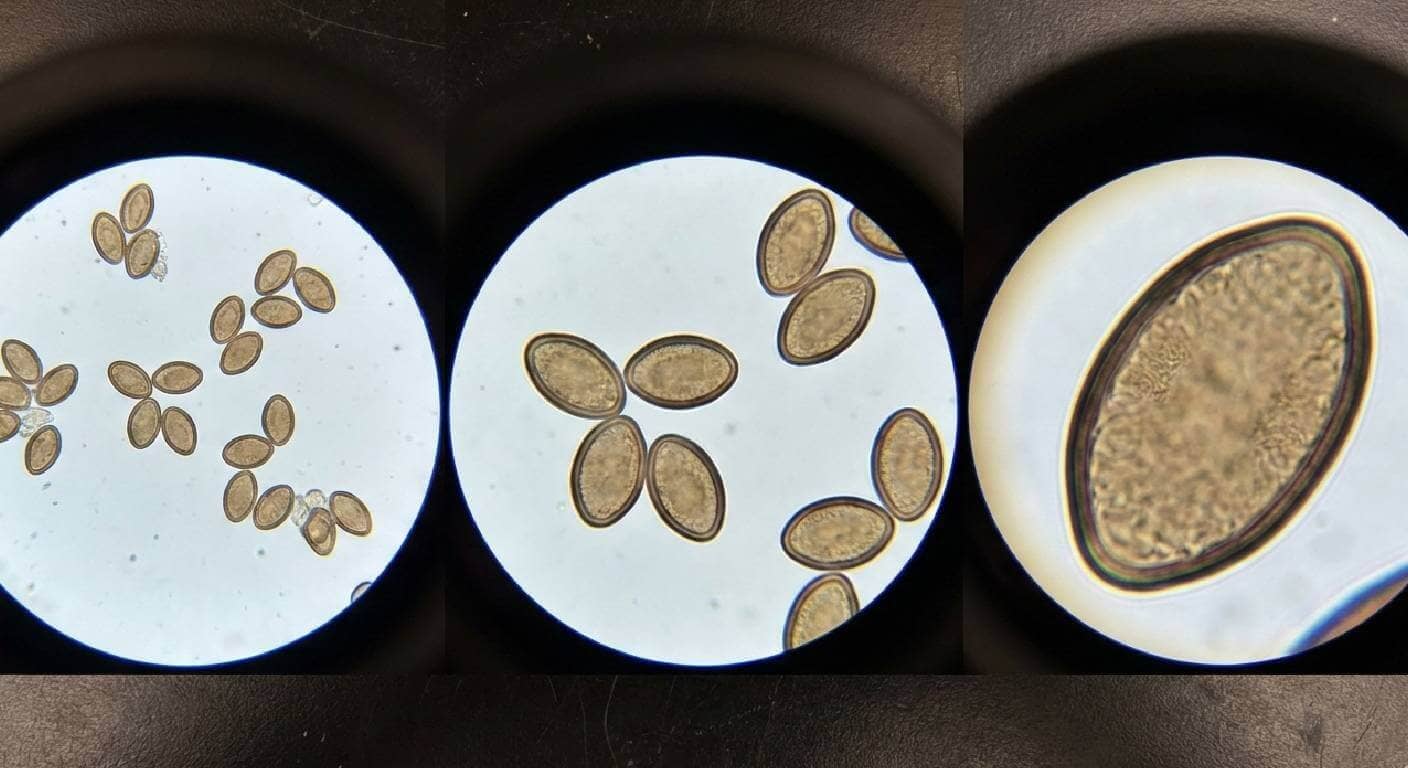
In a laboratory setting, South American spores are typically examined for structural traits rather than outcomes or applications. Under magnification, researchers may notice variations in spore wall thickness, subtle color tones, or ornamentation patterns that differ from samples sourced from other regions. These visual details are best understood when documentation is consistent and comparisons are made methodically.
Approaching South American mushroom spores with a clear documentation workflow helps ensure observations remain objective. Rather than relying on memory or general impressions, written notes, labeled images, and measurement logs allow researchers to track patterns across multiple samples over time. This approach supports repeatable research and minimizes bias.
What to Record (Checklist)
Accurate documentation starts with knowing what to record and how to record it. When observing South American spores under a microscope, a structured checklist helps keep notes organized and useful for future comparison.
- Sample Identifier: Assign a unique ID to each sample. This can include the source region, date received, and a batch number to prevent mix-ups.
- Preparation Method: Note whether the slide was prepared dry or with a mounting medium, and whether staining was used.
- Magnification Levels: Record the magnification used for each observation, such as 400x or 1000x oil immersion.
- Spore Shape: Describe the general form observed, such as oval, elliptical, or round, without assuming uniformity.
- Size Range: Measure multiple spores and document minimum, maximum, and average dimensions using a calibrated eyepiece or software.
- Color and Transparency: Note visible coloration, opacity, or translucence under consistent lighting conditions.
- Surface Features: Record whether the spore surface appears smooth, textured, or ornamented.
- Wall Thickness: Observe and document whether the spore wall appears thin, moderate, or thick relative to similar samples.
- Clustering Behavior: Note whether spores appear isolated, loosely grouped, or densely clustered on the slide.
- Environmental Notes: Include any information provided about the sample’s general origin or storage conditions prior to analysis.
Keeping this checklist consistent across sessions makes it easier to compare South American spores from different batches or time periods. Over time, patterns become clearer when the same criteria are applied uniformly.
South American Mushroom Spore Syringe
$19.99
$24.99
South American Liquid Spores Often referred to as the king of the South American mushrooms, this strain is sure to impress enthusiasts and researchers alike. The South American strain continues to hold the record for the largest mushroom ever harvested,… read more

Best Practices for Comparing Samples
Comparing South American spores effectively requires more than placing two slides under a microscope and switching back and forth. Small differences in lighting, preparation, or magnification can skew perception. Establishing best practices helps ensure comparisons are meaningful.
Start by standardizing your setup. Use the same microscope, lighting intensity, and magnification for all samples in a comparison session. Even minor adjustments in condenser height or brightness can alter how textures and colors appear.
Next, compare samples in stages rather than all at once. Begin with low magnification to assess overall distribution and clustering. Then move to higher magnifications to evaluate finer details such as surface texture or wall thickness. This layered approach reduces the chance of overlooking subtle traits.
Written notes are just as important as visual inspection. When comparing South American spores, write observations before forming conclusions. For example, instead of noting that one sample “looks denser,” record measurable traits such as average spore size or frequency of clustering. Objective language improves clarity and repeatability.
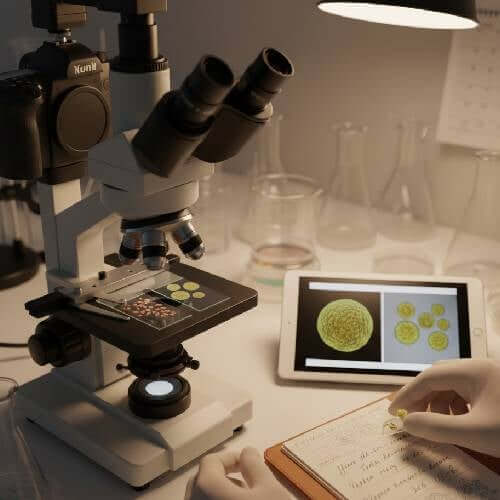
Photographic documentation can also support comparison when done consistently. Capturing images at the same magnification and lighting allows side-by-side review later. Be sure to label images clearly so they correspond with written notes and sample identifiers.
Finally, revisit samples after time has passed. Reviewing previous documentation alongside fresh observations can reveal whether initial impressions were accurate or influenced by expectations. This reflective step strengthens overall research quality.
Bundle Suggestions
For researchers working with multiple South American spores samples, organizing materials into practical bundles can simplify workflow and reduce setup time. While bundles are not required, they can help maintain consistency across sessions.
A basic microscopy bundle might include prepared slides, labeled storage containers, and a dedicated notebook or digital log template. Keeping these items together ensures that each session begins with the same tools and documentation structure.
A comparison-focused bundle could add calibrated measuring tools, standardized mounting media, and reference slides from previous studies. Having known reference points makes it easier to contextualize new South American spores observations.
For long-term documentation projects, consider a bundle that emphasizes archival quality. This might include high-quality slide boxes, humidity-controlled storage, and a consistent file-naming system for images and notes. Over time, this approach builds a reliable visual and written archive that supports ongoing research.
Conclusion
Studying South American spores under a microscope is as much about process as it is about observation. The value of these samples lies in their diversity and the opportunity they provide to practice careful, repeatable documentation. By using structured checklists, standardized comparison methods, and organized research bundles, researchers can extract meaningful insights without relying on assumptions or shortcuts.
A conversational, methodical approach to microscopy helps keep research engaging while maintaining accuracy. When notes are clear and comparisons are intentional, South American spores become part of a broader reference system rather than isolated observations. Over time, this disciplined approach supports better understanding, cleaner documentation, and more confident analysis.
FAQs
What makes South American spores interesting for microscopy?
The ecological diversity of South America often results in spores with varied sizes, shapes, and surface features, making them useful for observation and comparison in a laboratory setting.
How many spores should be measured per sample?
Measuring multiple spores per sample helps account for natural variation. Recording a range and average provides more reliable data than a single measurement.
Why is consistent documentation important?
Consistency allows observations to be compared over time and across samples. Without standardized notes, small but meaningful differences can be missed or misinterpreted.
Can samples be compared across different sessions?
Yes, as long as preparation methods, magnification, and documentation standards remain consistent. Reviewing past records alongside new observations improves accuracy.
How should South American spores be stored for research?
Proper labeling, clean containers, and stable environmental conditions help preserve samples for ongoing microscopy and documentation work.