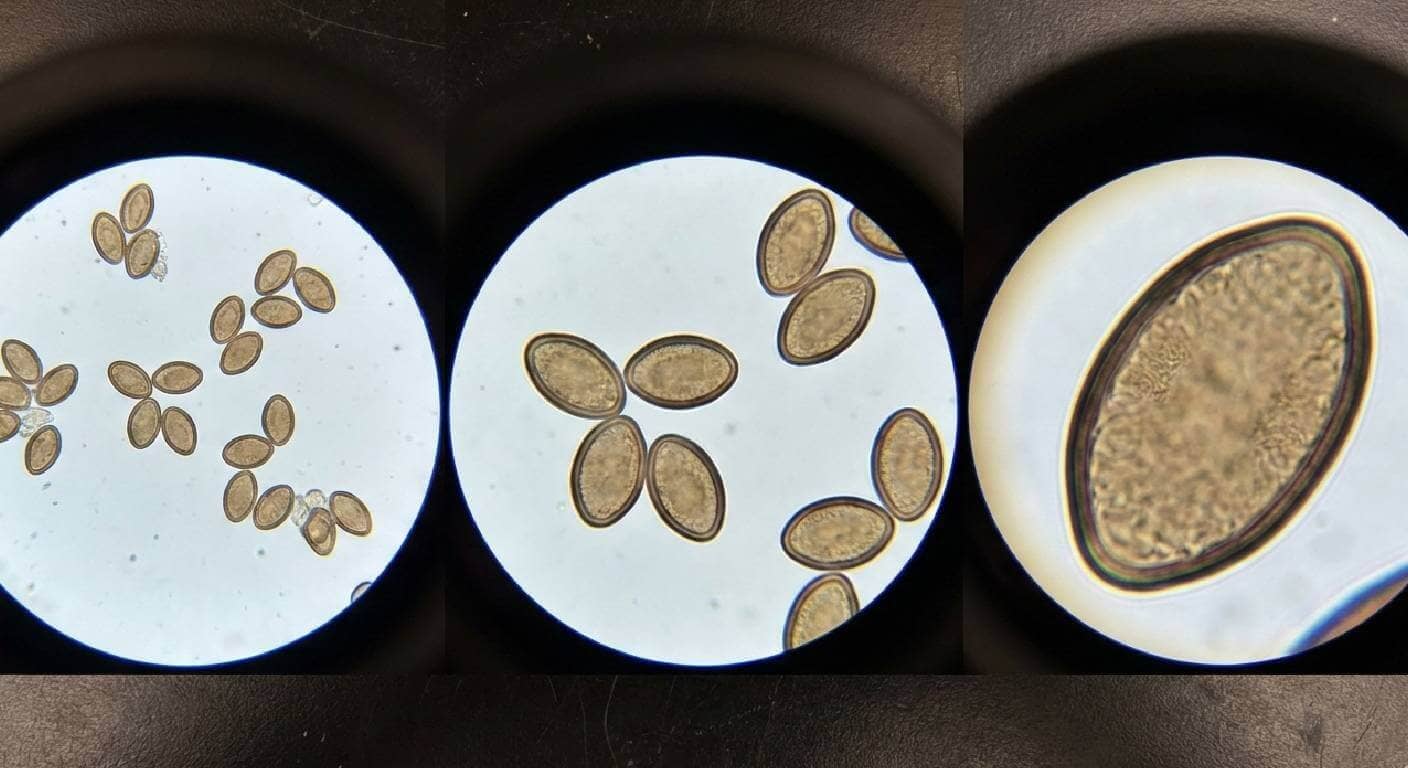

Stargazer Spores are frequently discussed in microscopy circles because of their consistent visual traits and reliability under controlled observation. This guide is written as a practical, research-first reference not a sales pitch, not a hype piece. Think of it as a lab notebook you didn’t have to build from scratch.
The goal here is simple: help researchers, students, and hobby microscopists document Stargazer Spores accurately, consistently, and repeatably. Everything below is designed to support careful observation, clean documentation, and clear comparison across samples.
High-Level Overview
Stargazer Mushroom Spores are typically examined for their well-defined structure and predictable appearance under common laboratory magnifications. Researchers often choose this variety when building comparison libraries or training their eye to recognize subtle morphological differences.
At a high level, Stargazer Spores are valued because they tend to present:
- Clear spore boundaries that are easy to focus under brightfield
- Consistent coloration when lighting is properly balanced
- Shapes that photograph well for documentation purposes
That consistency makes them a popular reference point when comparing multiple samples in a single session. If you’re learning how to standardize your microscopy workflow, this is a strain that rewards patience and good technique.
From a documentation standpoint, Stargazer Spores are especially useful because they reduce ambiguity. When your lighting, magnification, and slide prep are dialed in, the spores tend to appear clean and well-defined, which makes note-taking more objective and repeatable.
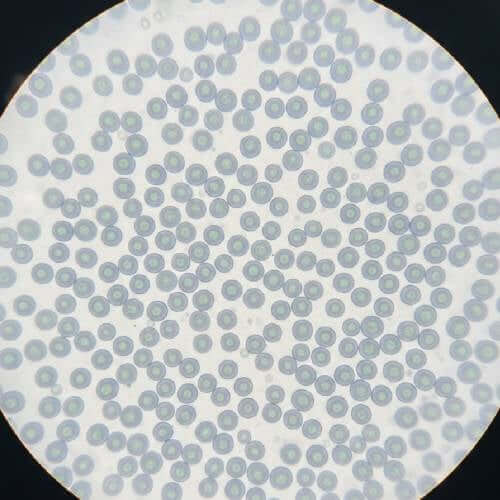
Spore Observation Checklist
Before placing any slide under the microscope, it helps to slow down and run through a checklist. This minimizes errors and ensures your notes are actually comparable from one session to the next.
Use the following checklist each time you observe Stargazer Spores:
- Slide cleanliness: Confirm there is no dust, oil residue, or fiber contamination
- Sample labeling: Verify sample ID matches your notes exactly
- Magnification baseline: Start low, then step up gradually
- Lighting consistency: Adjust condenser and diaphragm before focusing
- Focus discipline: Observe multiple focal planes, not just one
- Measurement calibration: Confirm your scale is accurate before recording size
When observing Stargazer Spores specifically, many researchers note that rushing the focus process leads to missed details. Taking an extra minute to fine-tune illumination often reveals structural clarity that isn’t obvious at first glance.
If you’re capturing images, keep your camera settings consistent across samples. Even small changes in exposure or white balance can make two identical spores appear different on paper.
Stargazer Mushroom Spores Syringe
$24.99
Stargazer Liquid Spores Made famous for their unique history and intriguing potency, Stargazer Liquid Spores have carved out a distinctive place in mycology research. Originating from the mountainous regions of South America, Stargazer mushrooms have captured attention with their unique… read more

Note Template
One of the most effective ways to improve research quality is to standardize your notes. Below is a simple, clean template you can copy and paste into your lab notebook, digital document, or database.
Sample Name: Stargazer Spores
Sample ID:
Date of Observation:
Observer Initials:

Microscope Model:
Objective Lens:
Total Magnification:

Lighting Type:
Condenser Setting:
Diaphragm Position:

Spore Shape Description:
Spore Color/Tone:
Edge Definition:

Measured Length:
Measured Width:
Measurement Method:

Focal Plane Notes:
Observed Variations:
Artifacts or Debris Present:

Image Captured (Yes/No):
File Name or Reference:

Additional Notes:
This format keeps subjective impressions separate from objective measurements. Over time, that separation makes trends easier to identify and reduces the temptation to over-interpret what you’re seeing.
If you compare multiple Stargazer samples across different sessions, this template helps ensure you’re actually comparing like with like.
Conclusion
Stargazer Spores work best as a documentation exercise when approached with structure and patience. Rather than chasing dramatic visuals, the real value comes from consistent observation, careful measurement, and clear notes.
By using a checklist, standardizing your documentation, and resisting the urge to rush, you create records that are actually useful weeks or months later. Over time, this approach builds confidence in your observations and makes comparative work far easier.
Whether you’re refining your microscopy skills or expanding a personal reference library, treating Stargazer as a research subject not just a sample leads to better outcomes and cleaner data.
FAQs
What makes Stargazer Spores useful for microscopy practice?
They are often chosen because their visual traits tend to appear consistently under controlled conditions, making them useful for documentation and comparison.
Do Stargazer Spores look the same under all microscopes?
No. Differences in optics, lighting, and calibration can change how details appear, which is why consistent setup and note-taking matter.
Why is lighting mentioned so often in observation notes?
Lighting has a major impact on contrast, edge clarity, and perceived color. Small adjustments can significantly change what you observe.
Is it normal to see variation between samples?
Yes. Natural variation, preparation technique, and slide quality can all influence appearance, even within the same sample type.
How detailed should notes be?
Detailed enough that another researcher could understand exactly how the observation was performed without asking follow-up questions.