
Table of Contents
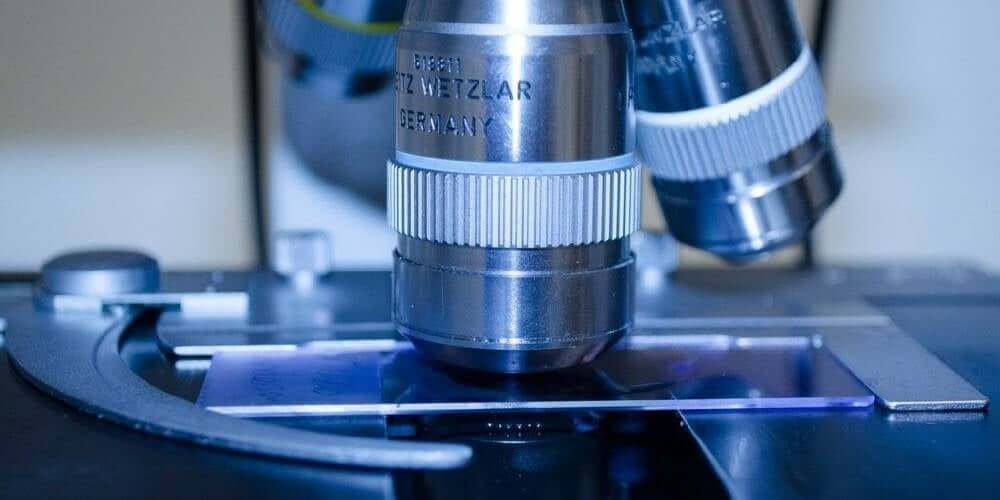
Microscopy has become an accessible and rewarding hobby for students, researchers, and curious collectors who want to explore the structure and diversity of spores. For many people, it begins with a simple fascination: the desire to see an organism’s smallest building blocks up close. But when the topic turns to psilocybin-producing mushroom spores, conversations often shift quickly from science to legality. This is understandable—spore study sits at the intersection of biology, personal exploration, and regulatory boundaries. Understanding how to practice responsible and legal mushroom spore microscopy is as important as mastering slide preparation or focusing a lens.
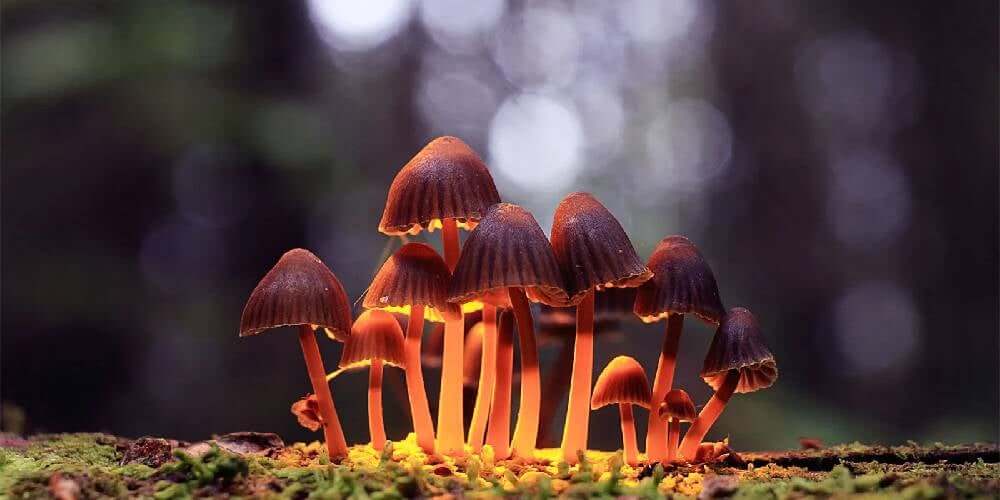
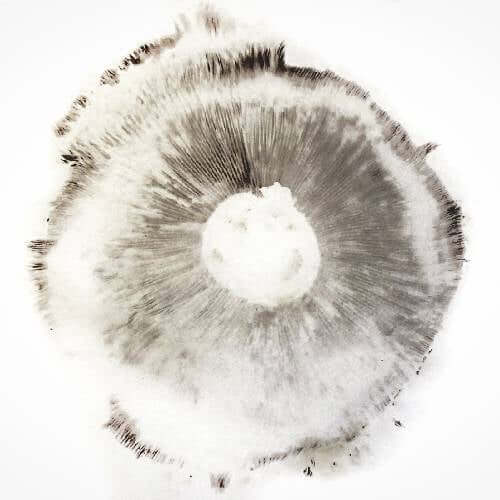
This guide breaks down the ethics, legal boundaries, best practices, and responsible approaches that allow U.S.-based microscopy enthusiasts to study spores confidently. Whether you work with dry Spore Prints, prepare slides from Mushroom Liquid Spores, or simply enjoy documenting the morphology of fungi, responsible microscopy means staying informed, staying ethical, and keeping your work strictly educational.
Understanding Spore Microscopy in the U.S.
Spore microscopy is the examination of fungal spores under a microscope to observe structure, color, texture, ornamentation, and size. These characteristics help distinguish one species from another and reveal morphological nuances not visible to the naked eye. To many hobbyists, spore microscopy is both a scientific practice and an art form—a blend of precision, photography, documentation, and biological curiosity.
However, when spores come from psilocybin-producing mushrooms, legality becomes a critical part of the conversation. Spores from these species do not contain psilocybin, which is the main reason they may be legally sold or possessed for microscopic research in many U.S. states. The legal status applies whether the spores are held in the form of dried Spore Prints or preserved and suspended as Mushroom Liquid Spores. But legality changes immediately if spores begin germinating into mycelium, which is why proper handling—and staying strictly within observation-based study—is essential.
Why Enthusiasts Study Spores
People enter the world of spore microscopy for countless reasons. Some appreciate the scientific challenge of identifying fungi based on microscopic features. Others enjoy comparing the morphology of different genera or documenting their findings with high-resolution photography. Still others use microscopy to deepen their understanding of fungal biology, taxonomy, and ecological roles.
Common motivations include:
- Identifying fungal species at a microscopic level
- Learning mycology fundamentals
- Comparing spore structure across various genera
- Practicing microscopy and documentation skills
- Studying spores for taxonomic research and academic interest
Spore microscopy is accessible, inexpensive to start, and endlessly fascinating. It offers a window into the unseen world—one that rewards patience, precision, and curiosity while avoiding the legal and ethical concerns associated with cultivation.
Where U.S. Law Draws the Line
The legality of spore study in the United States depends on federal law, state regulations, and the intent of the person handling the spores. While the subject can be confusing at first, the core principles are straightforward once understood.
Federal Law
Under U.S. federal law, psilocybin is a Schedule I substance. However, psilocybin mushroom spores do not contain psilocybin. Therefore, spores—including Spore Prints and Mushroom Liquid Spores—are not federally scheduled. This distinction makes possession legal for microscopy and research purposes.
But the moment spores germinate into mycelium, they become illegal because the organism is then capable of producing psilocybin. Microscopy is fully allowed as long as the spores remain dormant and are used strictly for scientific, educational, or research purposes.
State-Level Exceptions and Restrictions
While federal law focuses on chemical content, state laws vary widely. Most U.S. states allow possession of spores for microscopy, but a handful prohibit them entirely—even for research. Others allow possession but criminalize cultivation under any circumstances.
This patchwork of laws means microscopy enthusiasts must take responsibility for knowing their state's specific rules before purchasing, storing, or studying spores. Ignorance of the law is never a defense, and staying informed protects both individuals and the microscopy community at large.
Why Intent Matters
Intent is one of the most important factors in determining whether spore possession is legal. Even in states where microscopy is permitted, actions that suggest cultivation—whether deliberate or accidental—can pose legal risks. These actions may include:
- Storing spores alongside grow supplies
- Attempting germination or conducting any procedures that promote growth
- Discussing cultivation in writing or online while possessing spores
- Holding substrates, humidity equipment, or grow containers in the same space
Maintaining strict separation between microscopy and any form of cultivation is essential. Scientific notes, labeled slides, and clear documentation reinforce responsible intent.
Penis Envy Mushroom Spore Syringe
$22.99
$24.99
PE#6 (Penis Envy 6) Mushroom Spore The Penis Envy #6 Mushroom Spore Syringe from Magic Spore Labs delivers basidiospores from the most systematically refined expression of the Penis Envy lineage available in the Psilocybe cubensis research catalog — a sixth-generation… read more

Ethical Considerations for Responsible Researchers
Ethics and legality go hand in hand. Even when something is technically legal, responsible behavior ensures the longevity and respect of the microscopy community. Ethical microscopy means observing spores without crossing into prohibited territory and maintaining transparency and intention in all research practices.
Respecting Legal Limits
Ethically, spores must remain spores. This means:
- Never germinating samples or attempting growth
- Never giving cultivation advice alongside spore distribution
- Staying updated on state and federal regulations
- Focusing strictly on scientific observation and documentation
Responsible handling protects not only the researcher but also the broader community of educators, hobbyists, and citizen scientists.
Storage, Labeling, and Record-Keeping
Proper storage and documentation reinforce the scientific purpose of microscopy work. Researchers using Spore Prints or Mushroom Liquid Spores should clearly label all samples with information such as species, date received, and “For Microscopy Only.” Airtight, contamination-free storage significantly reduces risk and prevents accidental germination.
Record-keeping also strengthens responsible scientific practice. Notes, logs, slide numbers, and observational records help maintain transparency and reinforce that the work is purely educational.
Educational and Scientific Value
Spore microscopy contributes to multiple fields:
- Fungal taxonomy
- Mycology education
- Crowdsourced scientific data
- Microscopy technique development
- Biological photography and documentation
Ethical microscopy encourages curiosity without crossing legal boundaries. It strengthens scientific understanding and fosters a sense of responsibility among practitioners.
How to Practice Legal Spore Microscopy
Practicing legal mushroom spore microscopy requires both scientific technique and procedural responsibility. Proper workflows eliminate accidental germination, ensure compliance, and produce higher-quality results.
Setting Up a Responsible Workflow
A reliable microscopy workflow includes:
- A clean, dry workstation with no access to humidity or nutrients
- Separate storage for spores and any unrelated equipment
- Written notes emphasizing scientific or educational purpose
- Dedicated containers for Spore Prints and Mushroom Liquid Spores
Establishing structure reinforces legal compliance and reduces risk.
Safe Handling and Contamination Avoidance
Accidental germination is extremely unlikely when spores are kept dry and separate from nutritious material. To ensure safety:
- Do not hydrate spores under any circumstance
- Do not expose slides to moisture, agar, or nutrient media
- Store spores in moderate, stable temperatures
- Use clean, dry tools exclusively
Dry mounts are the gold standard for legal microscopy and provide excellent visibility for morphological study.
Documenting Observations, Not Cultivation
Documentation provides scientific value without crossing legal lines. Responsible researchers track:
- Spore size, shape, and ornamentation
- Coloration and hue changes under different lighting
- Patterns in Spore Prints
- Slide preparation methods
- Date and identifying labels
These notes enhance learning and contribute to responsible mycological practice.
Choosing and Using a Microscope for Spores
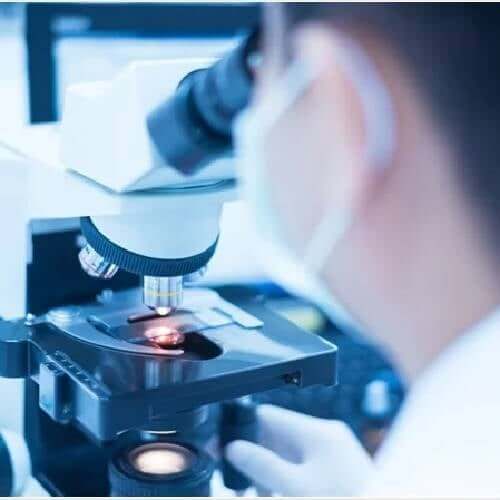
A capable microscope doesn’t have to be expensive. Many entry-level or intermediate scopes offer excellent clarity for spore observation. Spores from various species vary slightly in size, but most fall within a range easily visible at moderate to high magnification.
Magnification Recommendations
To properly study spores:
- Use 400× magnification for general morphology
- Use 1000× oil immersion for detailed ornamentation and precise measurement
Intermediate mycologists often prefer scopes equipped with mechanical stages, LED lighting, and fine adjustment knobs to support consistency and sharpness.
Slide Preparation Basics
Preparing a slide for spore observation is simple:
- Begin with a clean, dry glass slide
- Add a tiny amount of spore material from a Spore Print or Mushroom Liquid Spores
- Apply a coverslip gently to avoid scattering spores
- Avoid liquid mounting mediums to maintain legality
Dry mounts preserve the dormant nature of spores and provide excellent visibility under 400× and 1000× magnification.
Observation Tips for Clear Results
To achieve accurate microscopy results:
- Adjust the condenser gradually for optimal contrast
- Start at low magnification to center the specimen
- Increase magnification only once the field is focused
- Use calibrated reticles for precise measurements
- Photograph specimens carefully to document features
Microscopy is a discipline that rewards patience. Clear and accurate observations require steady hands, thoughtful adjustments, and well-prepared slides.
Conclusion
Microscopy offers a fascinating window into the hidden structures of the natural world, and spores are among its most rewarding subjects. With the right approach, knowledge, and ethical mindset, enthusiasts can practice legal mushroom spore microscopy confidently and responsibly throughout the United States. Understanding where laws begin and end—and respecting those boundaries—ensures your work remains safe, compliant, and scientifically meaningful.
Whether you are studying your first slide made from Mushroom Liquid Spores or analyzing intricate ornamentation captured from Spore Prints, the principles remain the same: stay informed, stay organized, stay responsible, and always keep your focus on science.