
Table of Contents
- Overview: Why Microscope Quality Matters in Spore Research
- Key Features to Look for in Spore Microscopy
- Student Tier: Ideal for Beginners and Classroom-Level Spore Research
- Intermediate Tier: The Best Balance of Cost and Capability
- Pro Tier: Advanced Tools for Detailed, High-Resolution Spore Research
- How to Choose the Right Tier for Your Goals
- Additional Accessories Worth Considering
- Final Thoughts: Choosing the Microscope That Fits Your Research Path
- FAQs
If you're exploring the world of spores whether for academic study, hobby microscopy, or more advanced work around functional spores choosing the right microscope can feel overwhelming. With so many models and specs, knowing what truly matters can save you both money and frustration. That’s exactly what this microscope guide for spore research is designed to do: walk you through the features that matter, break down the tiers, and help you select the best tool for your level and goals.
Below, you’ll find a complete breakdown of microscope types, magnification needs, lighting essentials, camera options, and the differences between student, intermediate, and professional setups. By the end, you’ll know exactly which tier fits your research style and when it might be worth upgrading, whether you’re buying a single unit or thinking ahead toward small-batch or wholesale orders.
Overview: Why Microscope Quality Matters in Spore Research
When studying spores, subtle differences can make a big impact. Size, texture, surface ornamentation, color under varying light conditions, and structural details all become part of your data. Because spores are typically very small, you need a microscope capable of both clarity and precision at higher magnification to examine functional spores and other structures accurately.
Microscope quality influences:
- How sharp and clear your images appear at 40x, 100x, and beyond
- Whether you can reliably distinguish small differences in spore size
- How well you can see ornamentation or fine structural details
- The comfort of long observation or documentation sessions
- Whether the microscope can grow with you as your skills advance
You don’t need the most expensive microscope on the market to get real results—but you do need to understand what each level offers so you can match your budget and your research goals.

Key Features to Look for in Spore Microscopy
Before jumping into student, intermediate, and pro tiers, it’s helpful to know the core features that determine performance and ease of use when working with spores.
Magnification and Objective Lenses
For spore research, the following objective lenses cover almost everything you’ll need:
- 4x – General scanning, finding areas of interest on the slide
- 10x – Locating clusters, setting up basic measurements
- 40x – Detailed viewing of most spores and hyphal structures
- 100x oil immersion – Maximum clarity for very small spores
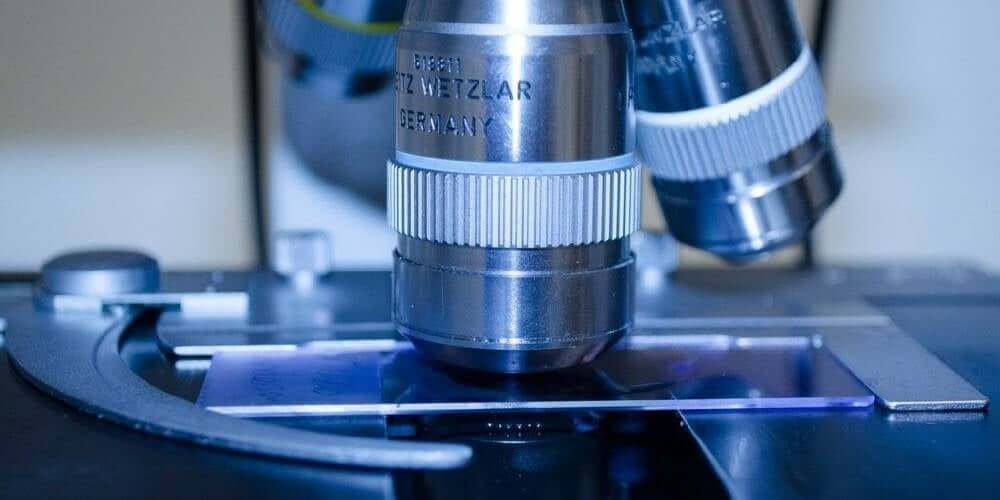
A good compound microscope for spore work should include all four objectives, especially if you plan to do ongoing research or compare different functional spores over time.
Optical Quality: Glass vs. Plastic Lenses
Lens material is a huge quality marker. Glass optics are the standard for serious microscopy because they provide:
- Sharper, more detailed images
- Better color accuracy
- Less distortion at the edges of the field
In contrast, plastic lenses are mainly found in toy microscopes and are not recommended for spore research. If you’re making even modest investments—whether for personal use or to eventually scale into a small teaching lab or wholesale-focused workshop—glass optics are non-negotiable.
Lighting System and Illumination
Most modern microscopes use either LED or halogen lighting. For spore research:
- LED illumination is bright, long-lasting, and low-heat, making it ideal for most users.
- Halogen illumination provides a warm light and can offer rich color rendition, though it generates more heat.
LED is the most common and beginner-friendly choice, especially for student and intermediate setups where simplicity and consistency matter.
Condenser and Iris Diaphragm
The condenser and iris diaphragm help you control contrast and brightness. They’re easy to overlook, but incredibly important when trying to bring out subtle details in spores.
- Fixed condenser – Common in student microscopes, fine for basic work.
- Abbe condenser with iris diaphragm – Found in intermediate and pro tiers, giving you more control over light and contrast.
If you want to see delicate ornamentation or very fine surface patterns on spores, an adjustable condenser and iris will make your life much easier.
Build Quality and Stability
At higher magnification, even small vibrations can make your view shaky. A solid metal frame and a stable base help keep everything steady, especially at 100x oil immersion. This becomes even more important in a shared environment such as teaching labs, small spore-focused studios, or functional spores research spaces where multiple users might be working on the same instrument.
Camera Compatibility and Documentation
If you plan on capturing images or video, you’ll want either:
- A trinocular head with a dedicated camera port
- A digital eyepiece
- A smartphone adapter that fits your eyepiece
Good documentation is especially useful if you plan to share findings, compare strains over time, or support a wholesale-oriented operation where consistency and quality control matter.
Student Tier: Ideal for Beginners and Classroom-Level Spore Research
The student tier is your starting point if you’re just learning the fundamentals or want something affordable that still offers real scientific clarity—not toy-level performance.
Who This Tier Is For
- Biology or mycology students
- Curious beginners exploring spore microscopy
- Budget-conscious buyers who still want accurate views
What to Expect in This Tier
Typical student microscopes offer:
- Monocular head (one eyepiece)
- LED illumination
- 10x and 40x objectives (sometimes a 100x oil objective as well)
- Basic fixed condenser
- Coarse and fine focusing knobs
- Entry-level glass optics
These microscopes can absolutely handle basic spore research. You can clearly see spore shape, size, and major features, and they’re great for learning slide preparation and basic measurement techniques.
Penis Envy Mushroom Spore Syringe
$22.99
$24.99
PE#6 (Penis Envy 6) Mushroom Spore The Penis Envy #6 Mushroom Spore Syringe from Magic Spore Labs delivers basidiospores from the most systematically refined expression of the Penis Envy lineage available in the Psilocybe cubensis research catalog — a sixth-generation… read more

When Student Tier Works Best
This tier is ideal if you’re just starting out or testing the waters before making a bigger investment. It’s also a practical option if you’re setting up a classroom or small learning space around functional spores and don’t need lab-grade equipment yet.
Intermediate Tier: The Best Balance of Cost and Capability
For many hobby researchers and semi-professionals, the intermediate tier hits the sweet spot. It offers significantly better clarity, control, and comfort, especially for more serious spore work.
Who This Tier Is For
- Serious hobbyists working with spores regularly
- Advanced students or independent researchers
- Small labs, grow spaces, or functional spores projects
What to Expect in This Tier
Intermediate microscopes often include:
- Binocular or trinocular head for comfortable viewing
- Full objective set (4x, 10x, 40x, 100x oil)
- Abbe condenser with adjustable iris diaphragm
- Mechanical stage for precise slide movement
- Stronger frame and low-vibration base
- Higher-grade optics with better coatings
- Camera-ready ports or easy camera mounts
This tier dramatically improves contrast, sharpness, and ease of focusing. If you’re seriously documenting spore structure or comparing multiple samples—especially in small batch or pre-wholesale contexts—this level of control makes a big difference.
Why Intermediate Is So Popular
Many users find that intermediate microscopes offer the best long-term value. The step up from student to intermediate is huge in terms of image quality and handling, while the jump from intermediate to pro is more about fine refinement than basic usability.
Pro Tier: Advanced Tools for Detailed, High-Resolution Spore Research
If you’re doing serious microscopy—teaching, lab research, or high-level analysis—the pro tier is built for demanding environments and frequent use.
Who This Tier Is For
- Professional mycologists and researchers
- University or institutional labs
- Dedicated functional spores research projects
- Operations that may support larger-scale or wholesale production and quality checks
What to Expect in This Tier
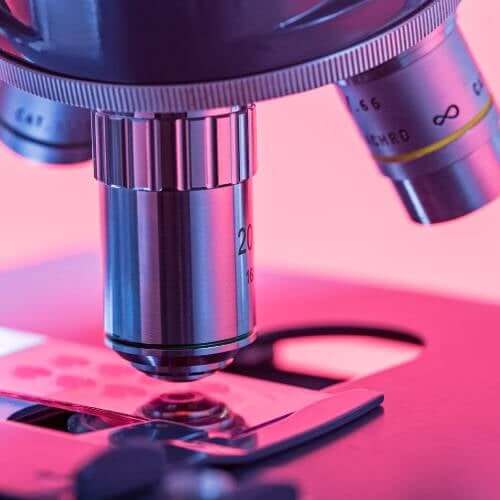
Professional microscopes tend to offer:
- Trinocular head with smooth optical switching
- High-end glass objectives, often plan or semi-plan for edge-to-edge sharpness
- Excellent clarity and color fidelity at 100x oil immersion
- Advanced focus controls with tension adjustment
- High-precision mechanical stage
- Superior condenser systems and refined light control
- Strong compatibility with high-resolution digital cameras
This tier is all about reliability, precision, and the finest level of detail—ideal for documentation, comparison, or long-term research projects that demand consistent, reproducible imaging.
How to Choose the Right Tier for Your Goals
Here’s a quick way to match your situation to the right microscope tier.
Choose Student Tier If You:
- Are just starting out with spore microscopy
- Want to learn slide prep, focusing, and basic measurements
- Need an affordable entry point with real scientific potential
Choose Intermediate Tier If You:
- Work with spores regularly and need sharper images
- Want better light, contrast, and fine focus control
- Plan to document samples, share images, or build a research library
Choose Pro Tier If You:
- Do lab-grade or institutional-level research
- Require highly accurate, repeatable measurements
- Need top-tier optics and long-term reliability for heavy use
You can also think in terms of scale. If your work around functional spores might eventually support education, product development, or even wholesale operations, a higher tier can help you build solid visual records and maintain consistent standards.
Additional Accessories Worth Considering
Beyond the microscope itself, a few extras can dramatically improve your experience:
- Oil immersion supplies – Required to unlock the full potential of the 100x objective.
- Smartphone or camera adapter – Makes it easy to capture and compare spore images.
- Prepared slide sets – Great for practice and for calibrating your expectations.
- Quality slide-making tools – Help you prepare cleaner, more consistent samples.
- Lens cleaning kit – Protects your optics and keeps images crisp over time.
Final Thoughts: Choosing the Microscope That Fits Your Research Path
Investing in a microscope is really about choosing how deep you want to go into the world of spores. Whether you're a curious beginner, a dedicated hobbyist, or a researcher working with functional spores at a highly detailed level, there's a microscope tier designed for you.
This microscope guide for spore research gives you a clear roadmap: start with student models if you’re learning, step into intermediate when you’re ready for serious control and documentation, and move to pro when you need lab-grade performance. From first slide to refined imaging, the right microscope will support your curiosity, your workflow, and your long-term goals—even as your projects evolve from single experiments into structured labs or wholesale-ready operations.
FAQs
Do I need oil immersion to study spores?
You can observe spores at 40x, but 100x oil immersion offers the best clarity for very small spores and precise measurements. If you plan on doing detailed comparison work or documenting functional spores consistently, oil immersion is highly recommended.
Are digital-only microscopes good for spore research?
Some digital microscopes perform well, but optical microscopes with quality glass objectives generally provide clearer images and better color accuracy. A traditional compound microscope with a camera adapter strikes a great balance between live viewing and digital documentation.
What is the best microscope type for beginners?
A student-tier compound microscope with glass lenses, LED lighting, and at least 40x and 100x capabilities is ideal for beginners. It keeps costs manageable while still giving you the magnification and clarity needed to learn the basics of spore research and grow into more advanced work over time.