
Table of Contents
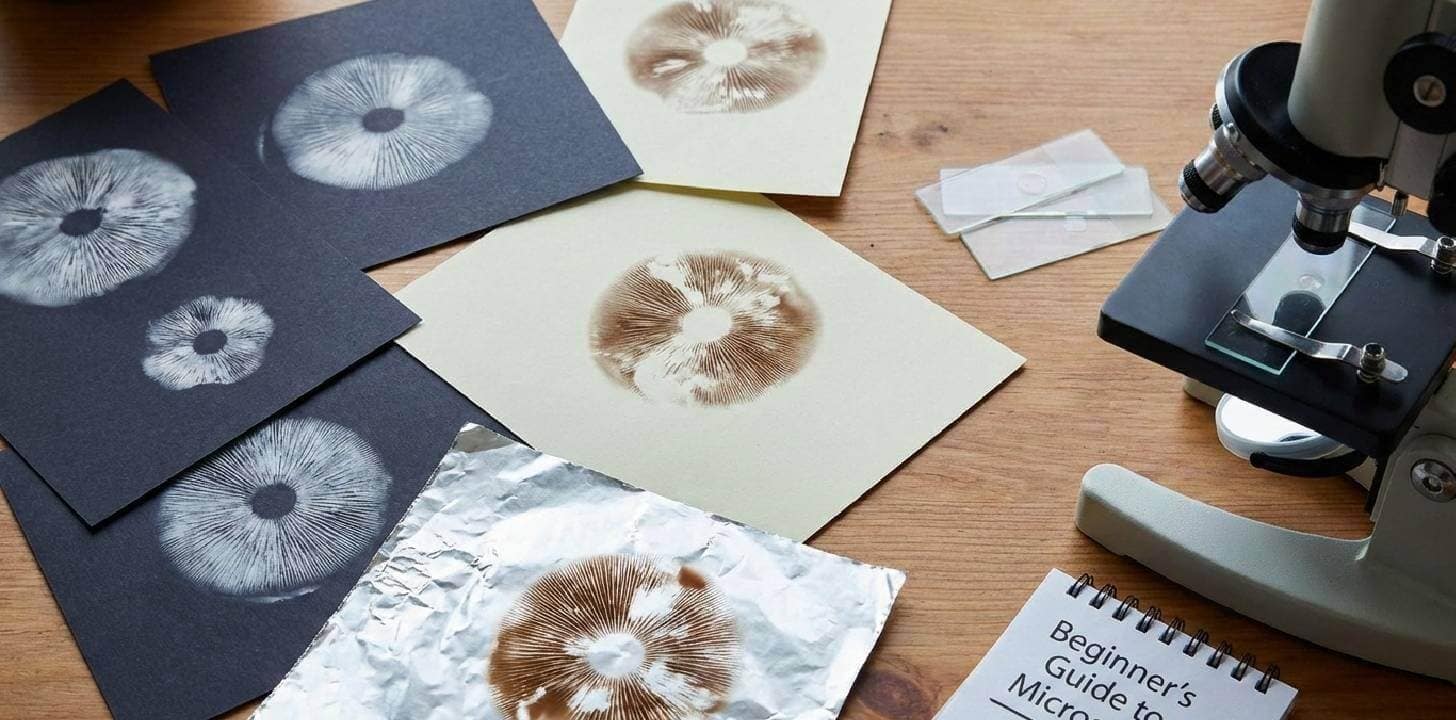
“Are Spore Prints legal?” is one of the most common questions people ask before purchasing microscopy supplies. The short answer: Spore Prints and Mushroom spores exist in a legally complicated gray area in the United States. Federal law treats them differently than many state laws, and the rules can change depending on where you live. This guide breaks down the basics so you can understand how legality works, how the “restricted states” concept came to be, and how to research your local rules safely before buying products like GT Mushroom Spore Prints, Panaeolus Cinctulus Mushroom Spore Prints, Cyanescen Mushroom Spore Print, or Leucistic Treasure Coast Mushroom Spore Prints.
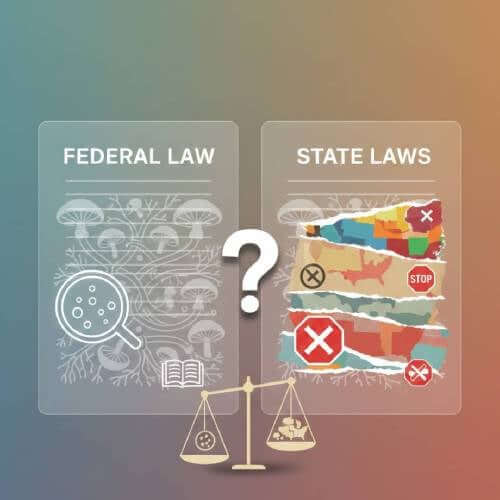
Federal vs State: Why This Gets Confusing
The biggest source of confusion comes from the difference between federal law and state-level laws. Under federal law, Mushroom spores and Spore Prints that do not contain psilocybin or psilocin are generally not scheduled substances. This is because spores and prints themselves typically do not contain those compounds in their natural form. That’s why microscopy, taxonomy study, and research communities are able to legally obtain and observe them in many parts of the United States.
However, states also have the ability to pass their own laws. Some states have chosen to regulate or ban Mushroom spores and Spore Prints regardless of federal classification. Others have added specific wording that prohibits possession if there is intent to cultivate or otherwise produce controlled substances. This layered structure is why legality can’t be answered with a simple yes or no it depends heavily on jurisdiction and intent language in local law.
So while many states treat Spore Prints as legal for microscopy and educational observation, others restrict or prohibit them entirely. Understanding which category your state falls into is essential.
The “Restricted States” Concept
In most conversations about Mushroom spores, you’ll often hear people refer to “restricted states.” This typically means states that have laws directly banning psilocybin Mushroom spores and Spore Prints, regardless of purpose. In these states, companies generally do not ship, and possession may carry penalties.
There are also states that allow possession of Mushroom spores for microscopy but prohibit germination or any activity tied to cultivation. That’s why many legitimate microscopy suppliers clearly state their products are strictly “for microscopy and educational purposes only.” This distinction is important: legal to observe does not mean legal to grow. Cultivation of psilocybin-producing mushrooms remains illegal in most parts of the U.S. unless specifically decriminalized under certain local policies—something separate from spore legality.
If you’re exploring microscopy study with options like GT Mushroom Spore Prints, Panaeolus Cinctulus Mushroom Spore Prints, Cyanescen Mushroom Spore Print, or Leucistic Treasure Coast Mushroom Spore Prints, always assume the law may treat spores differently based on your location. “Restricted states” are not about the product itself—it’s about the jurisdiction you live in.
How to Check Local Rules Safely
The best way to avoid misinformation is to check official sources. Laws change, court rulings happen, and online forums don’t always stay updated. If you want accurate clarity, use:
- State legislature websites for statute text
- Official government legal pages
- Published state health or controlled substance regulations
- Verified legal resources or state law databases
When researching, look specifically for terms like “psilocybin mushrooms,” “psilocybin spores,” “spore prints,” and “intent to cultivate” within the statutes. Some states ban possession outright, while others target possession with intent. Reading directly from state law ensures you’re not relying on hearsay.
If necessary, you may also consider consulting legal counsel if you need precise interpretation, especially for business, research, or institutional use. Staying informed protects you legally and helps support responsible, compliant use of microscopy materials.
Leucistic Treasure Coast Mushroom Spore Prints
$24.99
$37.48
Leucistic Treasure Coast Spore Print The Leucistic Treasure Coast strain is a captivating variation of the well-known Treasure Coast lineage, admired for its distinctive pale appearance and reliable growth traits. Recognized for its leucistic expression, this strain develops lighter, almost… read more

Shipping + Compliance: What Buyers Should Know
Another important factor is shipping. Even if Mushroom spores are legal where you live, responsible vendors follow strict compliance procedures. Most legitimate microscopy suppliers will:
- List restricted states clearly on product pages
- Refuse to ship to prohibited locations
- Label items for microscopy or educational research
- Encourage buyers to know their local laws
This protects both the buyer and the seller. If you’re purchasing items like GT Mushroom Spore Prints or Cyanescen Mushroom Spore Print, make sure you’re ordering from reputable vendors who respect legal boundaries and maintain compliance policies. Avoid any seller that promises illegal activity, avoids legal disclaimers, or markets spores for purposes beyond microscopy.
Remember: even in states where spores and Spore Prints are legal to own, using them to cultivate psilocybin-producing mushrooms may still be illegal. Compliance is about understanding both possession laws and activity restrictions.
Conclusion
The legality of Spore Prints and Mushroom spores in the United States isn’t a simple yes-or-no topic—it’s a layered legal landscape shaped by both federal and state law. While federal law generally does not schedule spores that lack psilocybin or psilocin, several states still restrict or prohibit them. That’s why understanding “restricted states,” reading official statutes, and staying informed is essential.
If you’re collecting microscopy specimens like GT Mushroom Spore Prints, Panaeolus Cinctulus Mushroom Spore Prints, Cyanescen Mushroom Spore Print, or Leucistic Treasure Coast Mushroom Spore Prints, the safest approach is simple: know your local laws, purchase responsibly, and use them strictly for educational and observational purposes.
Ultimately, legality comes down to awareness and compliance. Stay informed, stay cautious, and always rely on official government resources when confirming whether Spore Prints are legal where you live.
FAQs
Are Spore Prints legal everywhere in the U.S.?
No. Many states allow microscopy possession while others explicitly restrict Mushroom spores and Spore Prints. Always check state law.
Are Mushroom spores the same as mushrooms legally?
No. Spores typically lack psilocybin/psilocin, so they’re treated differently. However, some states regulate them anyway.
Can I grow mushrooms from legal spores?
In most states, cultivation of psilocybin-producing mushrooms is illegal, even if possessing spores is legal.