

Table of Contents
If you’ve ever stared at a long list of strains and thought, “How am I supposed to choose just five?” you’re not alone. We see it every day at Magic Spore Labs. A Pick-5 Spore Bundle sounds simple on paper, but when you’re looking at dozens of options, it can quickly turn into guesswork.
This guide is here to change that. Instead of randomly picking names that sound cool, we’re going to walk through a clear, research-focused framework for building a Pick-5 Spore Bundle with intention. Whether you’re brand new to microscopy or refining your strain comparison workflow, you’ll leave with a structured plan you can feel confident about.
Let’s break it down step by step.
Step 1: Decide Your Research Goal
Before you choose a single strain, you need clarity on one thing: what are you trying to study?
We always tell our customers that a Pick-5 Spore Bundle works best when it serves a purpose. If you don’t define your goal first, you’ll end up with a random mix that doesn’t help you compare anything meaningfully.
Here are the three most common research paths we see:
- Foundational microscopy practice – learning to identify structure, density, and variation
- Strain comparison – observing differences within related cubensis varieties
- Advanced documentation – building a labeled microscopy archive for long-term study
If you’re just getting started, your goal might be as simple as “I want clean, easy-to-view spores that help me understand baseline morphology.” That’s perfect. Write it down. Keep it in mind as you build your bundle.
If you’re more experienced, you might be asking deeper questions like:
- How does spore density vary between classic and isolated lines?
- What subtle differences appear under consistent magnification settings?
- Can I document contrast differences using standardized slide prep?
Your goal determines everything else. Don’t skip this step.

Step 2: Pick Variety Categories
Once your research goal is clear, the next move is selecting categories — not individual strains yet, just categories. This prevents overlap and ensures your Pick-5 Spore Bundle feels balanced instead of repetitive.
Beginner Staples
Every well-built set benefits from at least one foundational strain. These are widely studied, consistent under the microscope, and excellent for learning structural identification.
Two strong examples include:
- Golden Teacher Mushroom Spores
- Hillbilly Cubensis Mushroom Spores
Golden Teacher Mushroom Spores are often chosen because they provide reliable visibility and consistent morphology for slide work. Hillbilly Cubensis Mushroom Spores, on the other hand, are appreciated for their recognizable characteristics and clean observation profiles.
If you’re new, make at least one of your five picks a staple. It anchors your comparisons.
Unique Strains
This is where your bundle becomes interesting. Unique strains add contrast and dimension to your microscopy sessions.
For example:
- Taman Negara Mushroom Spores
- Blue Meanie Mushroom Spores
Taman Negara Mushroom Spores often appeal to researchers who want geographic variety represented in their documentation. Blue Meanie Mushroom Spores are frequently selected for comparative slide analysis because they’re commonly referenced in microscopy discussions.
Adding one or two distinct strains ensures your Pick-5 Spore Bundle isn’t just five versions of the same profile.
Comparison Pairs
This is one of our favorite strategies at Magic Spore Labs: build intentional comparison pairs.
Instead of choosing five unrelated strains, choose two that you plan to observe side by side. For example:
- Golden Teacher Mushroom Spores vs. Penis Envy Mushroom Spores
- Hillbilly Cubensis Mushroom Spores vs. Taman Negara Mushroom Spores
Penis Envy Mushroom Spores are often selected by researchers who want to compare structure and visual density against more classic cubensis lines. When paired correctly, you create built-in study sessions instead of isolated observations.
A Pick-5 Spore Bundle becomes far more powerful when at least two selections are chosen for direct comparison.
Golden Teacher Mushroom Spore Syringe
$24.99
Golden Teacher Liquid Spores Widely regarded as one of the most popular strains for microscopy research and a top choice among mycology enthusiasts for its distinctive morphology, the Golden Teacher Mushroom Spores strain is a longstanding favorite. It is among… read more

Step 3: Build Your “Set”
Now that you understand categories, let’s turn theory into structure. Below are three example “tracks” we recommend depending on your experience level.
Track 1: Beginner Research Set
This setup is designed for foundational learning and clean documentation.
- Golden Teacher Mushroom Spores
- Hillbilly Cubensis Mushroom Spores
- Blue Meanie Mushroom Spores
- Taman Negara Mushroom Spores
- Penis Envy Mushroom Spores
Why this works: You get two beginner-friendly staples, two unique contrast strains, and one advanced comparison reference. It creates structured learning without overwhelming variation.
Track 2: Variety & Contrast Set
This build emphasizes visible differentiation.
- Golden Teacher Mushroom Spores
- Penis Envy Mushroom Spores
- Taman Negara Mushroom Spores
- Blue Meanie Mushroom Spores
- Hillbilly Cubensis Mushroom Spores
This combination gives you classic vs. specialized lines, geographic contrast, and consistent baseline references. It’s ideal for researchers building organized microscopy notebooks.
Track 3: Advanced Microscopy Set
This set is built for detailed comparison sessions.
- Penis Envy Mushroom Spores
- Golden Teacher Mushroom Spores
- Taman Negara Mushroom Spores
- Blue Meanie Mushroom Spores
- Hillbilly Cubensis Mushroom Spores
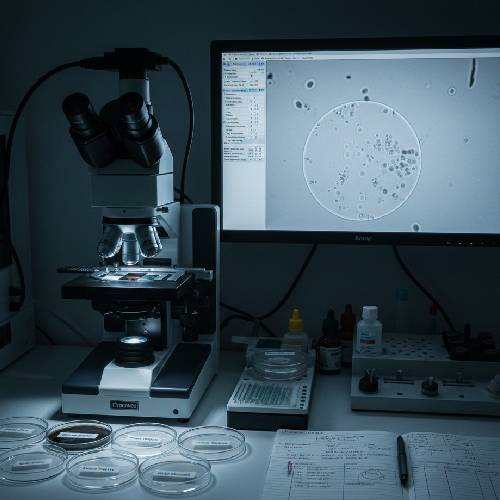
The difference here isn’t the names it’s the intention. Advanced researchers document magnification settings, lighting adjustments, slide prep techniques, and labeling systems. The Pick-5 Spore Bundle becomes a controlled dataset rather than a casual selection.
That’s the real shift: moving from random picks to structured research.
Internal Linking Plan (To Product Pages)
When building out your store navigation and educational resources, your Pick-5 Spore Bundle page should connect naturally to individual strain pages. We recommend structuring your internal linking like this:
- Bundle page → Individual strain detail pages
- Strain pages → Microscopy education blog posts
- Educational posts → Bundle landing page
This creates a loop that helps researchers move from learning to selecting and back to studying. It also ensures that customers can easily compare strain details before finalizing their five picks.
On each strain page, include:
- Clear labeling information
- Microscopy-use disclaimers
- Storage recommendations
- Documentation tips
The goal is clarity, not hype. A Pick-5 Spore Bundle should feel organized and research-driven from start to finish.
Conclusion
Choosing a Pick-5 Spore Bundle doesn’t have to feel overwhelming. When you break it into three clear steps define your research goal, select balanced categories, and build intentional comparison sets the process becomes simple and strategic.
At Magic Spore Labs, we believe structured selection leads to better microscopy sessions. Instead of guessing, build with purpose. Combine staple strains like Golden Teacher Mushroom Spores and Hillbilly Cubensis Mushroom Spores with unique options like Taman Negara Mushroom Spores and Blue Meanie Mushroom Spores. Add a comparison anchor like Penis Envy Mushroom Spores. Suddenly, your bundle isn’t random it’s a curated research toolkit.
And that’s exactly how it should feel.
FAQs
What is a Pick-5 Spore Bundle?
A Pick-5 Spore Bundle allows you to choose five individual spore strains in one package for microscopy research and collection purposes.
Is it better to choose five different types?
It depends on your goal. If you’re comparing structure and morphology, variety helps. If you’re practicing slide prep, a mix of staple and contrast strains works best.
Should beginners include advanced strains?
Yes, but balance them with at least one or two foundational strains. This gives you reliable references while still expanding your study range.
How should I store my spores after purchasing?
Keep them in a cool, dry, and dark place with clear labeling. Consistent storage helps preserve slide quality for long-term microscopy use.